
Why Modeling Agencies Reject New Models

Modeling agencies reject most applicants for reasons you can actually fix. Weak digitals, incomplete applications, mismatched niche fit, and poor timing account for most rejections, not a lack of potential. Agents also check your social media for professionalism and consistency. Height, age, and measurement standards vary by market and agency type, so not every rejection means you're unqualified everywhere. A mother agent can help you understand whether the issue is your photos, your market fit, your timing, or simply the wrong agency list. Understanding exactly what agents evaluate at each stage gives you a real advantage.
Key Takeaways
Agencies reject models when submitted photos use heavy filters, poor lighting, or low resolution that obscure natural features.
Height, measurement, and age requirements that fall outside market-specific standards result in automatic disqualification.
Incomplete applications with missing measurements or broken portfolio links are skipped without further consideration.
Roster saturation and niche mismatches often drive rejections regardless of a model's genuine potential.
Scattered social media profiles, inconsistent names, and low engagement signal an unprofessional personal brand to agents.
What Modeling Agencies Actually Look for Before Signing Anyone
Before a modeling agency even considers signing you, they're looking at a combination of factors that go far beyond just your looks. They want to see poise, confidence, market versatility, and a professional attitude that holds up under pressure.
Agencies evaluate your skin quality, proportions, distinctive facial features, strong bone structure, and natural presence. They also check your social media, work history, and how well you take direction.
Your portfolio matters too, so clean, unfiltered photos showing your natural features carry serious weight. Agencies aren't just filling a slot, they're building a roster.
You need to demonstrate that you're reliable, adaptable, and genuinely ready to work, not just someone who thinks they look good enough to try. Rejection from one agency often signals a market division mismatch rather than a lack of overall potential.
Before pursuing representation, researching an agency's verified placement history through official agency rosters and social media can confirm whether they have a legitimate track record of developing models. Agencies also compare physical measurements against regional market standards, especially in fashion markets where height and measurement expectations can be stricter.
Height, Age, and Size Requirements That Disqualify Most Applicants
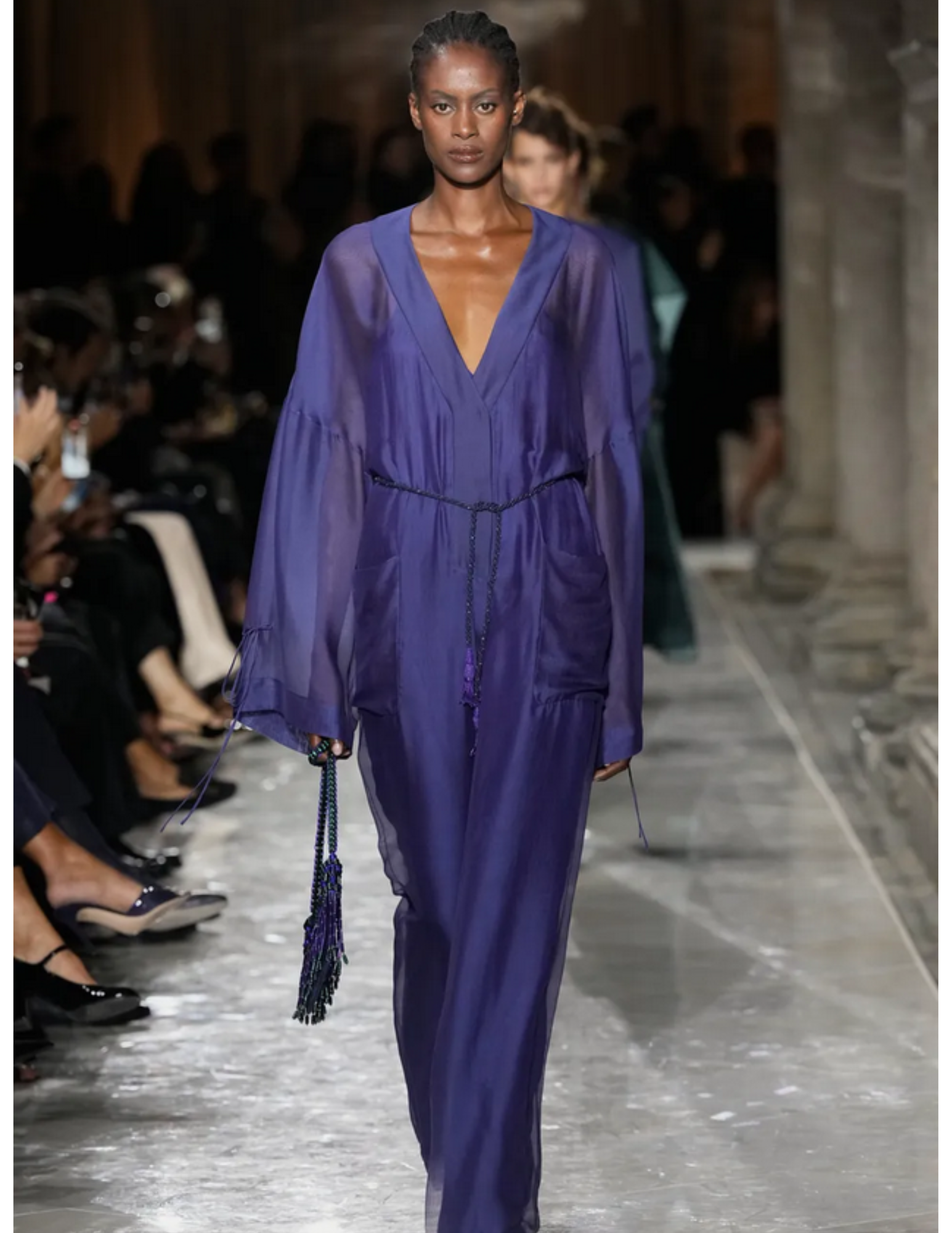
Even if you've got the look agencies want, your height, age, or measurements can eliminate you before you ever walk through the door.
High-fashion agencies often prefer women around 5'9" to 6'0" and men around 5'11" to 6'2", although requirements vary by agency, market, and division. Petite, commercial, fitness, curve, and lifestyle markets may have different standards.
Age cutoffs vary too. Adult boards usually want models between 18 and 25, while teen boards have separate ranges entirely.
Your measurements also matter, and even small discrepancies can disqualify you depending on the market. Different markets mean different rules, so one agency's rejection doesn't always mean another will turn you away. For female models, this includes bust, waist, hip, and overarm measurements, all of which agencies use to assess your fit for specific roles.
To improve your chances before approaching agencies, consider building a strong portfolio with unretouched digital photos that clearly show your natural proportions and physical attributes from multiple angles. When you do sign with an agency, review the modeling agency contracts carefully and ask how commissions, deductions, and payment timing are handled before agreeing to anything.
Why Weak Digitals Get You Rejected Before Anyone Reads Your Stats
Your digitals can make or break your chances with an agency before a single person reads your stats sheet. Poor lighting techniques ruin everything. Overexposed shots hide your skin texture, while dark shadows bury your facial contours. Flash photography distorts your skin tone and creates unnatural glare. Low image resolution fails professional submission standards immediately, and blurry photos make it impossible for agents to assess your bone structure or proportions. Digitals must be taken within three months to accurately reflect your current look and ensure agents are evaluating your real, present-day appearance.
Your styling choices matter just as much. Heavy makeup hides your natural features, and patterned clothing obscures your body shape. Agencies want raw, unedited information, not a polished portfolio look. Filters and editing apps alter your true appearance, which wastes everyone's time. Submit clean, clear, natural images, and you'll already be ahead of most applicants. A strong set of digitals should reflect the same principles as a professional portfolio, where consistent editing and quality remain non-negotiable standards for serious submissions. Many aspiring models underestimate image quality when submitting digitals, not realizing it is one of the most common reasons agencies reject talent before any further consideration.
Wrong Agency, Wrong Niche: How Mismatched Applications Kill Your Chances
Submitting clean, natural digitals is a solid first step, but it won't matter if you're sending them to the wrong agency. Niche misbranding is one of the fastest ways to get rejected before anyone seriously considers you.
High fashion agencies want heights above 175cm for women and sharp, editorial looks. Commercial agencies want warmth, smiles, and approachability. Sending edgy, moody shots to a cheerful commercial agency wastes your submission timing and flags you as someone who hasn't done their homework. Commercial clients prioritize diversity in representation over the narrow aesthetic standards that define high fashion, making it even more important to align your submission with the right market.
Before you submit, research the agency's current roster, their clients, and their brand aesthetic. If you look too similar to someone already signed, they'll pass. Match your look, your portfolio style, and your attributes to the right niche first. Agencies also evaluate your personal brand and audience alongside your physical appearance, so your overall image must align with the clients they serve. When a rejection does come back, it typically reflects a narrow roster fit question rather than a judgment on your viability as a model.
Roster Saturation and Timing: Why the Agency May Not Have Room for You

Sometimes, getting rejected has nothing to do with your look, your digitals, or even your niche fit, the agency simply doesn't have room for you. The modeling industry is competitive, and agencies may pass on strong new models if they already represent several people with a similar look.
Agencies also work within specific intake windows, meaning they only consider new models after major strategy shifts or when they've identified clear capability gaps in their current roster. If you apply outside those windows, even strong applicants get passed over. Timing matters more than most models realize. Understanding this takes the sting out of rejection and helps you plan smarter future submissions. Mother agents can protect models from this frustration by staying updated on agency intake cycles and identifying the precise windows when submissions are most likely to be considered.
Large agencies may already have deep rosters in each category, which means they are not always looking for every type of new model at the same time. When evaluating your options, consider that a well-connected mother agent's reputation and industry relationships can significantly influence which agencies are willing to make room for emerging talent.
What Incomplete Applications and Poor Online Presence Signal to Agents
Even when timing and roster space aren't the issue, agents can still pass on you the moment they open your application. Missing professionalism shows up fast, whether it's a blank measurement field, a missing portfolio link, or a low-resolution headshot. Agents don't chase down details you forgot to include. They move on.
Your online presence tells a similar story. Agents check your social media to confirm online authenticity, and inconsistent names, broken links, or low engagement rates raise immediate red flags. If your profiles feel scattered or unprofessional, agents assume your brand will be too.
Think of your application and online profiles as your first audition. You're not in the room, so those materials speak for you. Make sure they say the right things.
How Mother Agents Evaluate Market Fit Differently Than Traditional Agencies
Getting rejected by a traditional agency doesn't mean a mother agent will pass on you too, because they evaluate market fit in a completely different way. Mother agents focus on your long term potential rather than what you can book right now, making their approach far more flexible.
“Mother agents evaluate long-term potential, not immediate bookings, making them far more flexible than traditional agencies.”
Here's what they're actually looking at:
Your market adaptability across high-fashion cities like Paris, Milan, and New York
Your raw photogenic quality, not a finished portfolio
Your emotional range and ability to convey character
Your resilience during lengthy training periods
Your personality and alignment with their mentorship values
They're willing to invest time in developing you, so even a rough starting point won't automatically disqualify you from their consideration.
How a Mother Agent Can Help After Rejection
If you keep getting rejected, a mother agent can help you figure out whether the problem is your photos, your measurements, your market, your timing, or your agency list. Sometimes the fix is simple, such as updating your digitals or applying to a better-fit agency. Other times, you may need development before submitting again. A good mother agent can help you avoid random submissions and focus on the agencies most likely to understand your look and long-term potential.
You can also use The Mother Agents directory to compare mother agents by location and find professionals who understand your market and development stage.
When and How to Resubmit After a Modeling Agency Rejection
A rejection doesn't mean the door is permanently closed, but how you handle the resubmission process matters just as much as the rejection itself.
Resubmission timing is everything. Wait at least three months before trying again, giving yourself enough time for a real portfolio refresh. Replace old polaroids with updated digital photos, resize images without losing quality, and update your comp card with current measurements. Don't resubmit the same materials expecting different results. Agencies notice when you've put in genuine effort.
After resubmitting, send one polite follow-up email within ten to fourteen business days. Keep it short and professional. Avoid contacting agencies during fashion week or other busy seasons. Persistence combined with smart preparation gives you a much stronger shot the second time around.
Final Thoughts on Modeling Agency Rejection
Rejections aren't always about you not being good enough. Sometimes you're applying to the wrong agency, at the wrong time, with the wrong photos. Fix what you can control - your digitals, your niche targeting, and your submission quality. Research agencies before you apply, and don't take silence as a permanent answer. The modeling industry rewards persistence and preparation. You've got a better shot than you think if you approach it strategically.