
How To Become A Freelance Model

So you're ready to become a freelance model but aren't sure where to start? Building a standout portfolio with 10-20 quality images is your first essential step. You'll need to find your niche, whether that's commercial work, editorial shoots, or promotional events. Success comes when you market yourself effectively, set fair rates, and protect yourself with proper contracts. The modeling world is competitive, but with the right approach, you can turn your unique look into a thriving business.
Key Takeaways
Build a versatile portfolio with 10-20 high-quality images showcasing different poses and looks.
Identify your modeling niche (commercial, editorial, e-commerce) based on your unique attributes and strengths.
Create professional comp cards with your best photos, measurements, and contact information.
Market yourself effectively on social media with consistent content and targeted hashtags.
Set appropriate rates based on experience level and establish clear contracts for every job.
Building Your Model Portfolio and Comp Cards
A strong portfolio is the foundation of your freelance modeling career. Start by gathering 10-20 high-quality images that display your versatility while focusing on portfolio fundamentals: a professional headshot, three-quarter torso shot, and full-body shot. Lead with your strongest image that defines your look and market niche.
When planning your image selection, include a mix of studio and location photos, plus both color and black-and-white options. Arrange your photos in a logical sequence - headshots first, followed by mid-shots, then full-length images, and finally creative work. Working with photographers who specialize in modeling portfolios will significantly improve your image quality and industry appeal.
Create a comp card in 5x7 or A5 size featuring 4-6 of your best shots, with your measurements and contact details clearly listed. Remember to update your portfolio regularly, removing outdated images and adding new work. Maintain a neutral color palette throughout your portfolio design to ensure your images remain the focal point without distracting elements. Focusing on quality over quantity is essential, as agencies prefer a concise collection of striking images rather than numerous mediocre shots.
Understanding Model Types and Finding Your Niche
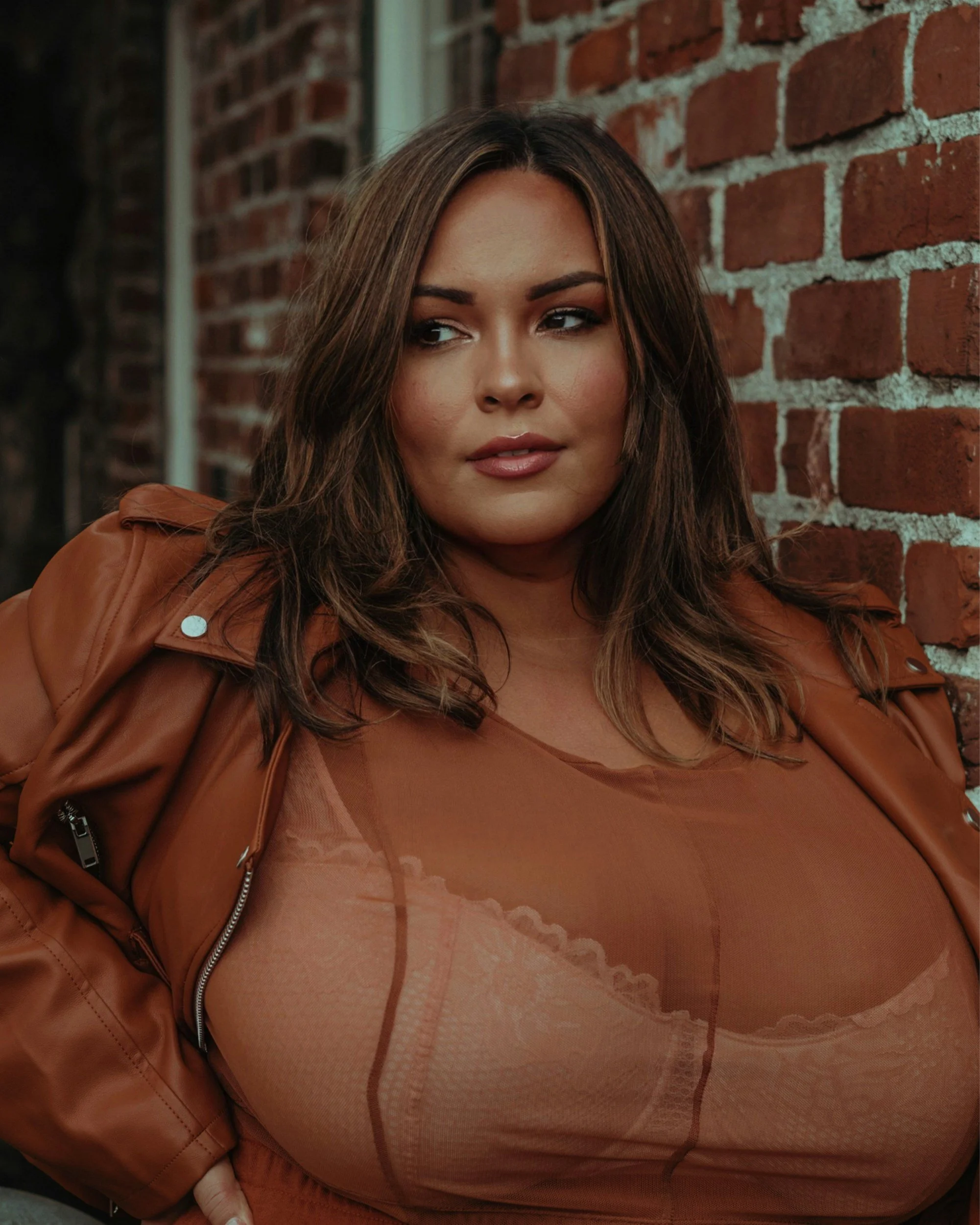
Before starting your modeling career, you'll need to understand the different types of modeling to find where you'll shine brightest.
Model types typically fall into several categories based on commercial or editorial focus and body specialization.
Commercial modeling welcomes diverse body types, ages, and heights, while editorial/fashion has stricter requirements. E-commerce modeling focuses on displaying products clearly, and promotional modeling requires strong people skills at events.
Your niche exploration should consider your natural attributes. Are you plus-size, petite, or athletic?
Perhaps you'd excel in specialized areas like parts modeling (hands, feet), fit modeling for clothing development, or mature modeling for 40+ demographics. Freelance modeling offers the freedom and flexibility to work across multiple modeling types without being tied to a single agency.
Match your skills to your chosen niche: editorial requires emotive storytelling, technical niches need precise posing ability, and commercial work values relatability and consistent appearance. Commercial modeling can be particularly lucrative with pay ranging from $50-$250 per hour for catalog work.
Runway modeling has strict height requirements for women between 5'9" to 6'0" and men between 6'0" to 6'3", so consider this when evaluating your options.
Researching Agencies vs. Independent Representation
The crucial decision between agency representation and freelance modeling will greatly impact your career trajectory.
When comparing agencies to independent work, consider both the support and the cost.
Agency comparison shows clear benefits: professional development resources, guaranteed payments, and access to bigger campaigns.
However, you'll sacrifice 10-20% in commissions and face potential exclusivity restrictions.
Freelance independence offers complete control over your schedule, projects, and rates. You'll keep 100% of your earnings but miss out on agency guidance and premium job opportunities. Your decision should reflect your personal needs.
If you're new and need mentorship, agencies provide valuable team support.
If flexibility matters most, freelancing might be your path, just be prepared to handle your own branding and business management.
Mother agents can offer crucial contract guidance when transitioning between freelance and agency representation.
Direct relationships with clients allow you to build a diverse portfolio without agency limitations.
Many aspiring models find that personalized mentorship significantly increases their chances of success regardless of which path they choose.
Setting Your Rates and Managing Client Expectations

Setting appropriate rates as a freelance model requires careful calculation and strategic thinking about your worth in the marketplace.
Calculate your base rate by adding your annual expenses to your salary goal, then dividing by billable hours. New models typically charge $25-$50/hour in the US, while those with experience can command $50-$100 or more.
Your rates should reflect project complexity, shoot type (with higher rates for boudoir or swimwear), and your location. Remember that all models deserve fair compensation regardless of their experience level or agency representation.
During client communication, clearly discuss scope and deliverables upfront to prevent misunderstandings. Consider getting agreements in writing to establish usage rights that protect how and where your images can be used.
When you're ready to raise rates, increase by 10-20% annually and give clients 1-2 months' notice.
Rate negotiation becomes easier with transparency and confidence in your value.
Remember that bookings with exposure benefits might justify lower rates for portfolio-building opportunities. Building a diverse portfolio with 5-10 high-quality images showcasing different looks can significantly increase your marketability and justify higher rates.
Marketing Yourself and Using Social Media Effectively
Marketing yourself effectively on social media forms the backbone of a successful freelance modeling career in today's digital landscape.
To build your personal branding, maintain a consistent visual style across all platforms that highlights your unique look and versatility.
“Your unique aesthetic isn’t just a look, it’s your visual signature across platforms that showcases who you are as a model.”
Optimize your profiles with professional headshots, keywords like "freelance model" in your bio, and direct links to your portfolio or booking information.
Smart social media strategies include mixing content types (photos, videos, stories, and reels) while sharing behind-the-scenes glimpses that humanize your brand.
Prioritize short-form video content as 78% of industry professionals prefer it when discovering new modeling talent.
Engage daily with followers by responding to comments and messages, and use targeted hashtags to increase visibility.
Consider creating a Linktree profile to consolidate all your modeling work and contact information in one easily accessible location for potential clients and agencies.
Track your analytics weekly to identify which content performs best, then refine your approach based on these insights.
In today's competitive modeling industry, constant adaptation has become necessary as digital marketing transitions from an optional strategy to a business necessity.
Protecting Your Business With Contracts and Release Forms

While your social media presence attracts clients, proper paperwork protects you when working with them. Every freelance modeling job needs contract necessities that clearly state who's involved, what work you'll do, and how you'll get paid.
Always include your full name and contact details, the exact services you're providing, and payment terms.
Release forms are equally important as they spell out who can use your photos, where they'll appear, and for how long. Don't sign anything that gives away all your rights forever!
Make sure contracts include cancellation policies and limit your liability.
When clients send their contracts, read carefully before signing. Better yet, have your own template ready.
This isn't just about legal protection - it shows clients you're a professional who takes your modeling business seriously.
How To Become A Freelance Model
Your freelance modeling adventure is within reach! Remember to build a strong portfolio, find your niche, and market yourself confidently. Don't forget proper contracts for every job. As you gain experience, you'll refine your rates and expand your network. Stay adaptable, keep learning, and always represent yourself professionally. With dedication and smart business practices, you'll turn your modeling passion into a successful freelance career.