
How To Become A Mature Model
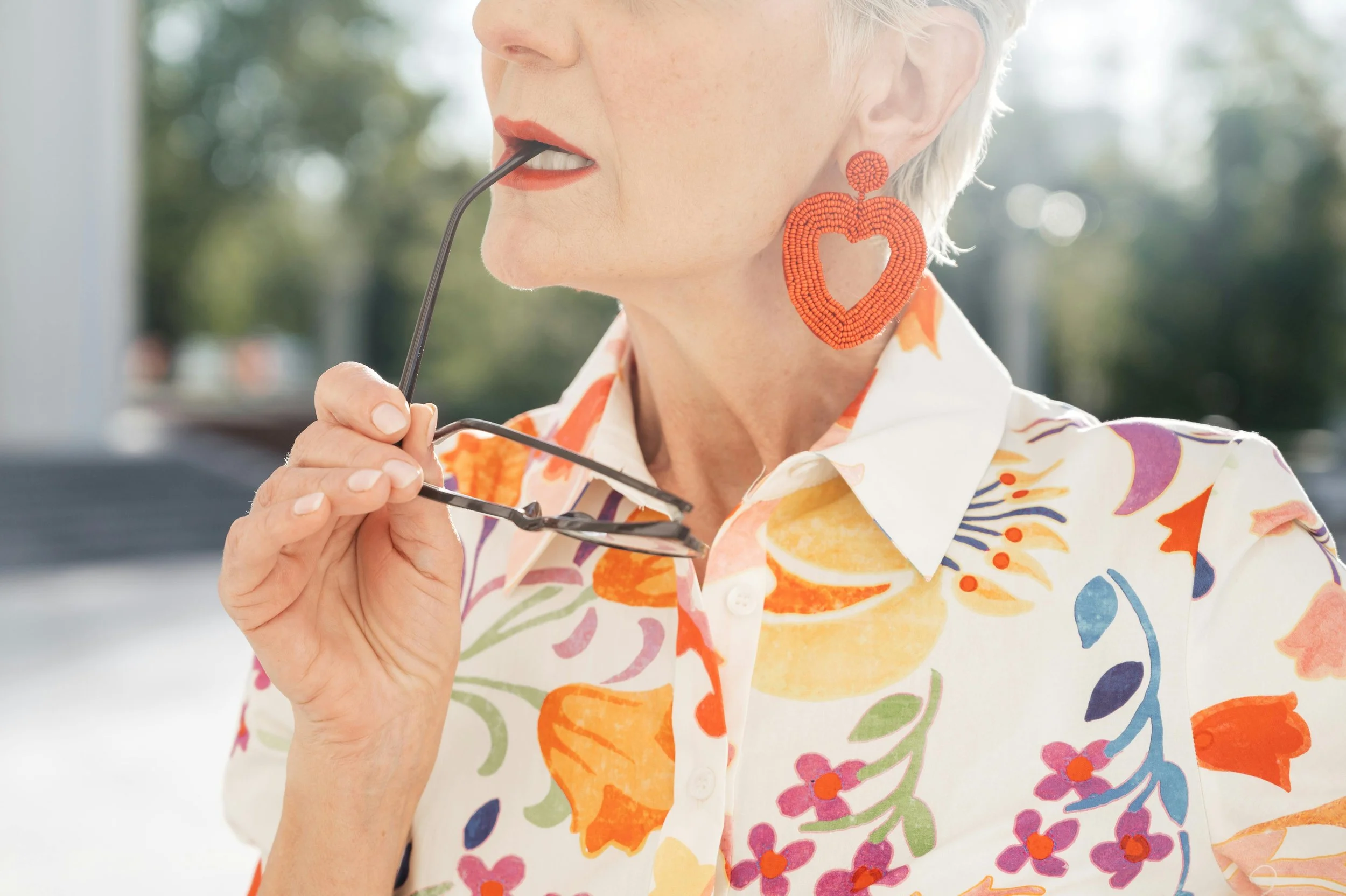
Becoming a mature model starts with understanding where your age and look fit in the modeling industry. Mature models are commonly hired for commercial, lifestyle, fashion, beauty, healthcare, and advertising work, and you do not need previous modeling experience to get started.
The process is similar to starting other types of modeling: determine the type of work you are suited for, take current natural photos, research legitimate modeling agencies that represent mature talent, and follow their submission requirements. This guide explains how to become a mature model, what agencies may look for, and how to prepare for castings and modeling opportunities.
Key Takeaways
Mature modeling can include commercial, lifestyle, fashion, beauty, healthcare, and advertising work.
There is no universal age when someone becomes a mature model. Agencies and clients may define mature talent differently depending on the market and assignment.
New models do not necessarily need an expensive professional portfolio. Start by checking the photo and submission requirements of the agencies you want to approach.
Research legitimate agencies that already represent models in your age range and the types of modeling you want to pursue.
Natural appearance, confidence, professionalism, reliability, and the ability to take direction can all be important when pursuing mature modeling opportunities.
Understanding the Mature Modeling Industry
Mature modeling generally refers to modeling work where clients want adults who represent older age groups. There is no single age that defines a mature model, and the age range a client wants can vary considerably depending on the product, campaign, and target audience.
Commercial and lifestyle modeling can provide opportunities for mature models because brands need people who resemble the customers they are trying to reach. This can include advertising for clothing, beauty products, healthcare, travel, financial services, home products, and other consumer industries.
The type of work available also depends on your market. Some models may be suited for fashion or beauty work, while others may find more opportunities in lifestyle advertising, e-commerce, print campaigns, or other forms of commercial modeling.
You do not need to hide the characteristics that make you look your age. Gray hair, wrinkles, and other natural features may be part of the look a client is specifically seeking. The goal is to understand where your appearance fits and pursue agencies and modeling opportunities that represent that market.
Age Requirements and Qualifications for Mature Models

There is no universal age requirement for becoming a mature model. Some agencies and clients may look for models in their 40s, while others specifically need talent in their 50s, 60s, 70s, or older. The appropriate age range depends on the campaign and the audience the client wants to represent.
Physical requirements also vary by type of modeling. Fashion and runway work may have more specific expectations, while commercial and lifestyle modeling generally accommodate a wider range of heights, body types, and appearances.
Agencies may also consider qualities that cannot be measured on a size chart. Confidence in front of the camera, professionalism, reliability, personality, and the ability to take direction can all affect whether someone is appropriate for a particular modeling assignment.
Instead of trying to meet one set of mature modeling requirements, focus on finding agencies and clients that work with people in your age range and modeling category.
Building Your Portfolio as a Mature Model
If you are just starting out, you do not necessarily need a large professional portfolio before approaching a modeling agency. Check each agency's submission requirements first. Many agencies want simple, current photos or digitals that allow them to evaluate your natural appearance.
Keep your initial photos straightforward and accurate. Avoid heavy retouching, filters, excessive makeup, or styling that makes it difficult to see what you currently look like. Agencies may request specific images such as a headshot, profile, and full-length photo.
If an agency or mother agent believes professional portfolio development would benefit you, they can help determine what types of images are appropriate for the modeling work you are pursuing. This may include commercial, lifestyle, fashion, or beauty images that demonstrate your range.
As you gain experience, your portfolio can develop alongside your career. Focus on relevant, current images rather than trying to reach a specific number of photos.
Finding the Right Agency for Mature Representation
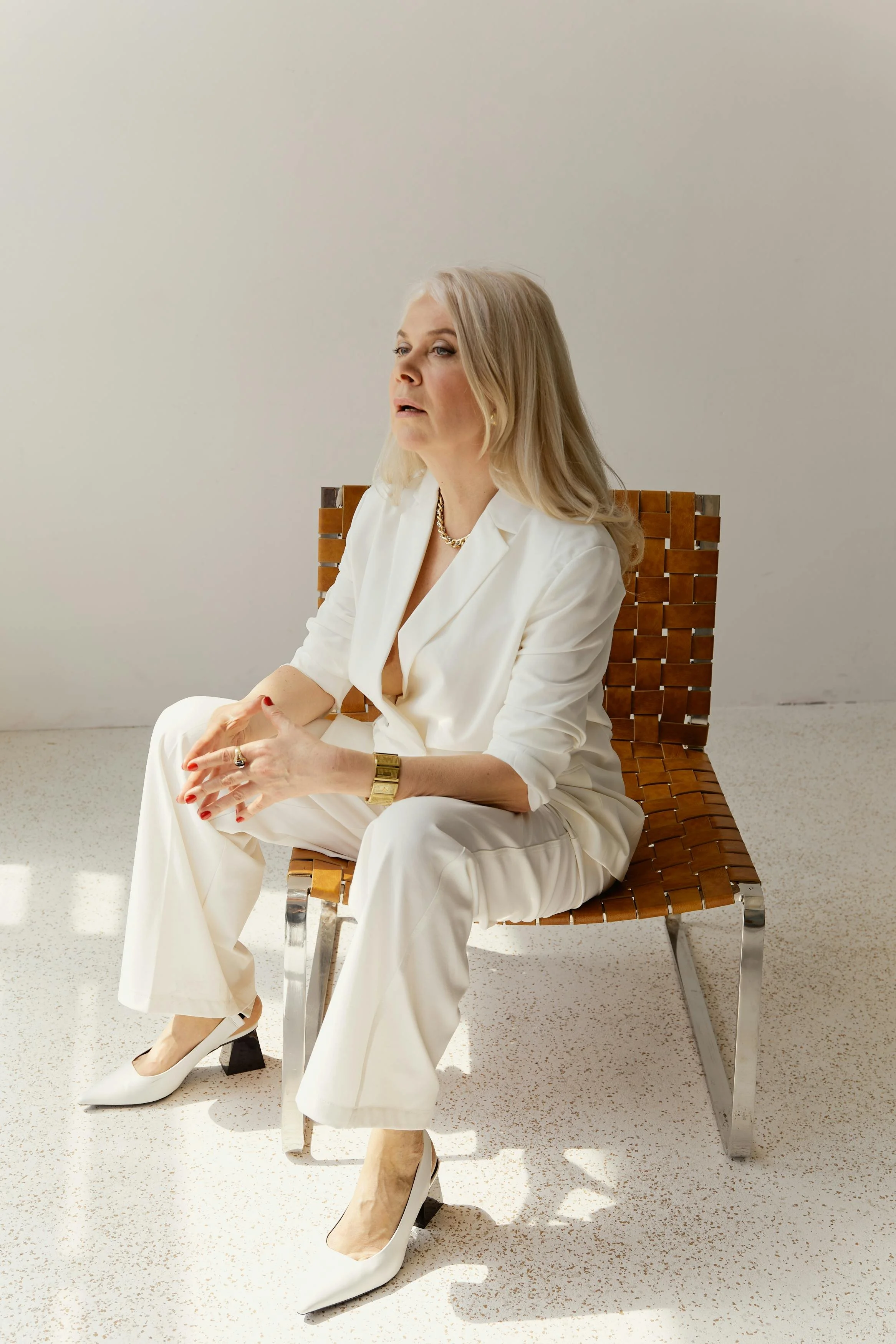
Look for legitimate modeling agencies that already represent mature models or regularly work in commercial, lifestyle, fashion, beauty, and other markets where mature talent is booked. An agency does not need to specialize exclusively in mature models to be a potential fit.
Review the agency's current roster to see whether it represents models in your general age range. Also look at the types of clients and modeling work associated with the agency to determine whether its market aligns with the opportunities you want to pursue.
Before submitting, follow the agency's official submission instructions carefully. Requirements vary, so send the photos, measurements, contact information, and other materials the agency specifically requests.
A mother agent can also help evaluate where you may fit in the industry, identify appropriate agencies and markets, assist with development, and make introductions when appropriate.
If you receive an offer of representation, review the contract carefully before signing. Understand the agency's commission, expenses, exclusivity requirements, contract length, renewal provisions, and termination terms.
Do Mature Models Need Social Media?
You do not need a large social media following to become a mature model. Agencies primarily need to determine whether your look, professionalism, and potential are appropriate for the clients and markets they represent.
Social media can still be useful as a professional presence. If you maintain public profiles, use current photos that accurately represent your appearance and avoid excessive filters or editing.
Keep anything publicly associated with your modeling career professional. Agencies or clients may view your online presence when considering you for representation or work, but social media should support your modeling efforts rather than replace agency submissions, castings, and professional relationships.
If an agency provides an official submission process, follow those instructions instead of relying on direct messages or social media to get noticed.

Appearance and Grooming for Mature Models
Mature models are hired to represent a wide range of ages, appearances, and lifestyles. You do not need to make yourself look younger to pursue modeling opportunities. Clients looking for mature talent may specifically want natural features associated with your age.
Keep your appearance current and consistent with the photos you submit to agencies. Significant differences between your submission photos and your current appearance can make it harder for an agency or client to evaluate you accurately.
For castings and digitals, follow any grooming, wardrobe, hair, or makeup instructions provided by the agency or client. When no specific instructions are given, a simple presentation that allows your natural appearance to be seen clearly is generally the most useful.
Your goal is not to conform to a single standard for mature models. It is to present yourself accurately and professionally for the type of modeling work you are pursuing.
Preparing for Mature Modeling Castings
If an agency or client invites you to a casting, follow the instructions they provide. You may be asked to wear simple clothing, arrive with minimal makeup, provide current measurements, or bring specific materials depending on the assignment.
Be prepared to introduce yourself, pose or move in front of the camera, and take direction. Some castings may also involve taking new photos or video so the client can evaluate how you appear on camera.
Professionalism matters. Arrive on time, be prepared, communicate clearly, and treat everyone involved in the casting professionally.
Not every casting will result in a booking. The client may be looking for a very specific age, appearance, personality, or combination of characteristics for a particular campaign. A rejection does not necessarily mean you are unsuitable for mature modeling. Different clients need different types of models.
How to Become a Mature Model
Becoming a mature model starts with identifying the types of modeling that fit your age, appearance, and strengths. Research legitimate agencies that represent mature talent, review their submission requirements, and submit current photos and accurate information.
You do not need previous modeling experience, a large social media following, or an expensive portfolio to begin. Focus on presenting yourself naturally and professionally, and be prepared to take direction if you are invited to a meeting or casting.
If an agency is interested in representing you, take time to understand the opportunity and review the agreement before signing. The right representation can help connect you with modeling opportunities that are appropriate for your look, age range, and market.
Frequently Asked Questions About Becoming a Mature Model
What age is considered a mature model?
There is no universal minimum age for mature modeling. Depending on the agency, client, and assignment, opportunities may be available for models in their 40s, 50s, 60s, 70s, and older.
Can I become a mature model with no experience?
Yes. Previous professional modeling experience is not always required. New models can start by researching agencies that represent mature talent and following their submission requirements.
Do mature models need a professional portfolio?
Not necessarily. If you are new to modeling, check each agency's requirements before investing in professional photos. Some agencies initially want simple, current photos or digitals that clearly show your natural appearance.
Are there height and weight requirements for mature models?
There is no single height or weight requirement that applies to all mature modeling. Requirements depend on the type of modeling, agency, client, and specific assignment.
What types of modeling can mature models do?
Mature models may work in commercial, lifestyle, fashion, beauty, healthcare, advertising, e-commerce, and other areas where clients need models who represent older age groups.
How do I find modeling agencies for mature models?
Research legitimate agencies and review their current rosters to see whether they represent models in your age range. Look at the types of clients and modeling work they handle, then follow their official submission instructions.