
How To Become A Body Part Model

You've probably noticed those perfect hands holding the latest smartphone or the flawless feet sporting designer shoes in ads. Those body parts belong to specialized models who've turned their unique features into profitable careers. Body part modeling might seem mysterious, but it's an achievable path if you have standout features and know how to market them.
The industry is competitive, yet offers surprising opportunities for those with distinctive hands, feet, legs, or other marketable parts that can sell products effectively.
Key Takeaways
Identify your most marketable body parts and create a professional portfolio with 10-20 high-quality images showcasing versatility.
Establish rigorous grooming and maintenance routines focusing on skin care, specialized tools, and proper techniques.
Build an online presence through social media platforms using relevant hashtags and engaging with industry professionals.
Submit your portfolio to agencies specializing in body part modeling or create profiles on freelance platforms.
Understand modeling contracts including exclusivity terms, usage rights, commission rates, and payment schedules before signing.
Understanding the Body Part Modeling Industry
While the global modeling industry continues to grow, reaching $13.3 billion in 2025, body part modeling stands out as a unique specialty with its own distinct opportunities and requirements.
Unlike traditional modeling, you'll focus on showcasing hands, feet, hair, or other specific features for commercial clients and brands.
Current trends show that over 70% of modeling jobs are now project-based or freelance, with e-commerce and digital advertising driving significant demand for quality body part images.
“The gig economy has revolutionized modeling, with digital platforms creating unprecedented demand for specialized body part imagery.”
Market demands are shifting too, with beauty and skincare companies constantly seeking diverse models for product shots. Brands increasingly recognize the importance of diversity and representation in their marketing materials, as 58% of agencies report increased demand for diverse body types, ethnicities, and ages.
The rise of online shopping has created more opportunities for close-up imagery of hands demonstrating products or feet modeling shoes.
Pay rates for body part models typically range from hourly rates of $50 to $250, making it a potentially lucrative specialization within commercial modeling.
Understanding these industry dynamics will help you steer through this specialized niche effectively.
Identifying Your Marketable Body Parts

Success in body part modeling starts with an honest assessment of your unique physical attributes.
Look closely at your hands and feet—these are among the most in-demand features in the industry. Your hands might be perfect for jewelry or watch ads if they've long fingers, smooth skin, and well-maintained nails. For hands modeling, clients seek flawless skin texture and proportionate shapes.
Similarly, examine your feet for symmetry and unblemished skin. Feet modeling opportunities exist in footwear, hosiery, and pedicure product campaigns.
Don't overlook facial features like eyes, lips, or teeth, which command high demand in cosmetics and dental advertisements.
Even your torso could be marketable for fitness or apparel clients. There's growing interest in torso models specifically for educational and medical purposes, where anatomical representations help healthcare professionals explain procedures to patients. Specialized modeling often requires a unique physical characteristic that makes your particular body part stand out from others. Remember, the part that you consider ordinary might be exactly what advertisers are seeking.
Creating a Professional Portfolio
Once you've identified your standout body parts, you'll need to display them properly through a professional portfolio. Aim for 10-20 high-quality images that highlight your versatility without being repetitive.
Your image selection should include specific shots of your marketable body parts, at least one recognizable face photo, and a full-length shot in simple, form-fitting clothes.
For effective portfolio layout, balance headshots, body shots, and creative poses to maintain viewer interest. Include your measurements (chest/bust, waist, hips), shoe size, eye and hair color on your comp card, which serves as your business card.
Most agencies prefer digital portfolios for their crisp images and portability. Consider hiring a professional parts photographer ($75-$250 per image) who specializes in portfolio building for the best results. Use natural lighting and minimal editing for your photos to create an authentic representation of your features.
The industry has a high demand for quality parts models, particularly in beauty, lifestyle, and jewelry advertising sectors. Maintain a clean layout throughout your portfolio to ensure your exceptional features remain the focal point without distractions.
Grooming and Maintenance Practices
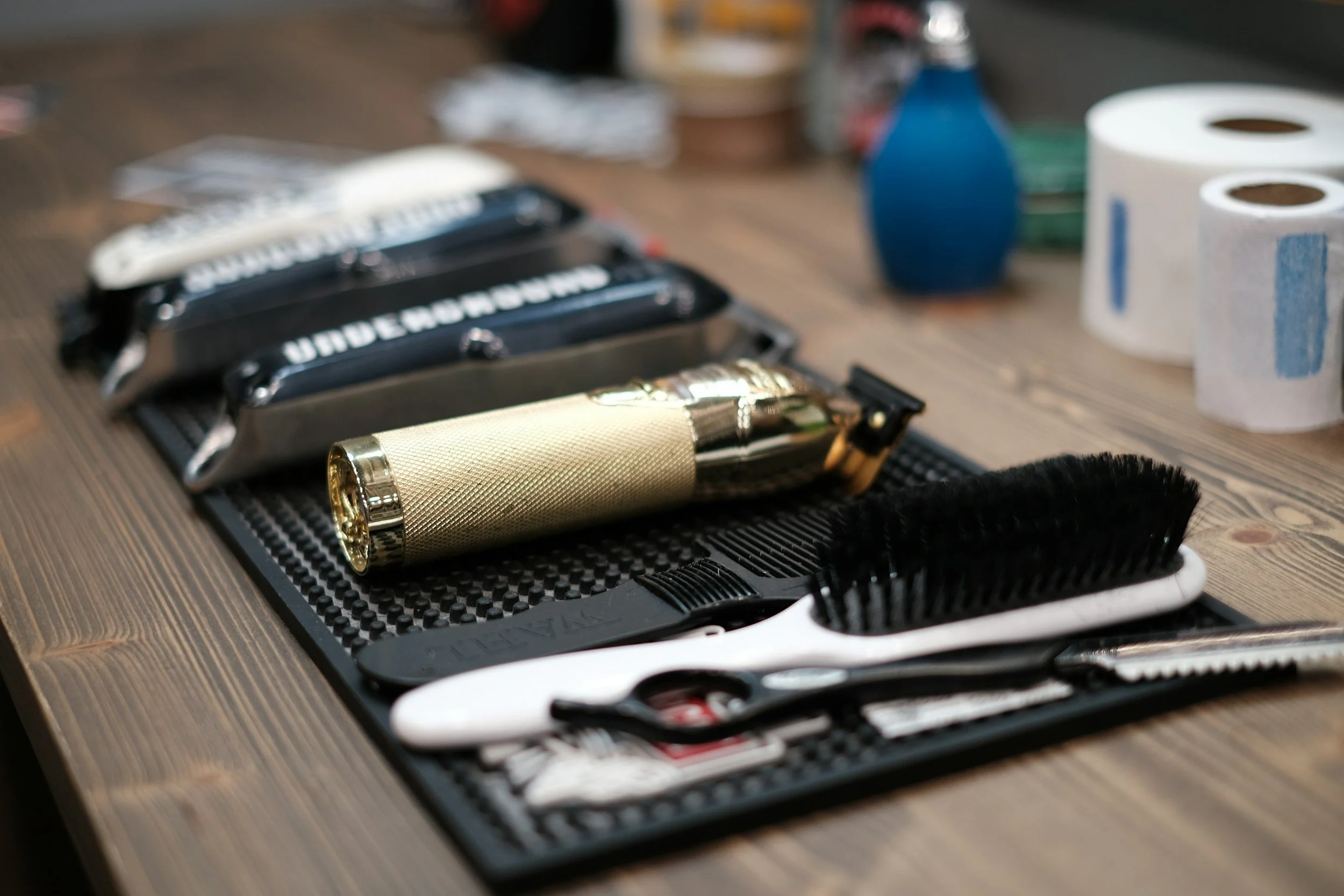
Maintaining your body in top condition becomes crucial when pursuing a career as a body part model, as even minor imperfections can cost you jobs. Invest in quality grooming tools for each specific area like trimmers with different guard settings for chest and back, precision scissors for pubic areas, and sanitizing solutions to keep everything clean.
Develop a consistent skin care routine that includes exfoliating twice weekly to prevent ingrown hairs and daily moisturizing. When grooming chest areas, avoid shaving over nipples and maintain a natural blend between regions.
For back maintenance, always have someone help you verify no patches are missed. After any grooming session, apply soothing balms to reduce irritation and redness that could ruin a shoot opportunity.
Finding Representation and Agencies
Proper representation can transform your body part modeling career from occasional gigs to consistent, high-paying work.
For representation tips, start by researching agencies that specialize in your unique asset, whether it's hands, feet, legs, or facial features.
Submit a digital portfolio highlighting your best angles to multiple agencies. Many accept online applications through their websites.
Consider working with mother agents who can guide you through early career stages and connect you with larger agencies while charging only 10% commission.
These representatives will typically sign you to a management agreement that outlines their services and commission structure for approximately three years.
Consider your location - New York City houses the most prominent agencies, but options exist in London and Los Angeles too.
Building Your Digital Presence

A strong online presence can make or break your body part modeling career in today's digital marketplace. Start by creating a professional website that highlights your best features with clean close-ups and various contexts.
Include detailed measurements and contact information for potential clients.
For digital branding, select platforms like Instagram and TikTok where visual content thrives. Post quality images of your hands, feet, or other featured parts regularly.
Demonstrate range of motion and versatility through both photos and videos.
Boost visibility by using relevant hashtags like #handmodel or #footmodel. Mix broad and niche tags to maximize exploration.
Consider creating a Linktree profile to consolidate your portfolio, website, and contact information in one accessible location.
Social engagement matters too. Connect with industry professionals, respond to comments, and follow modeling agencies.
Building relationships online can lead to real-world opportunities.
Short-form video content is particularly effective, with 78% of industry professionals preferring it when discovering new talent.
Booking Your First Gigs
Once you've established your portfolio and online presence, landing your first body part modeling gig requires understanding the industry's booking process.
Agencies submit models to clients based on specific criteria, while freelance opportunities let you connect directly with potential clients. When attending auditions, proper etiquette is crucial to make a positive impression.
To secure your first booking:
Sign with reputable agencies like BMA who specialize in body part modeling, or create profiles on freelance platforms for direct client access.
Arrive 10 minutes early to auditions, bring your portfolio, and follow all sign-in procedures.
Confirm availability before submitting to jobs and always review call sheets thoroughly when booked.
Remember that new faces typically receive lower rates, but consistent work leads to better compensation over time. Consider partnering with a mother agent who can guide you through the onboarding process and provide valuable industry connections. Being patient during the waiting period is essential, as submission timelines vary significantly across different agencies in the industry.
Negotiating Contracts and Rates
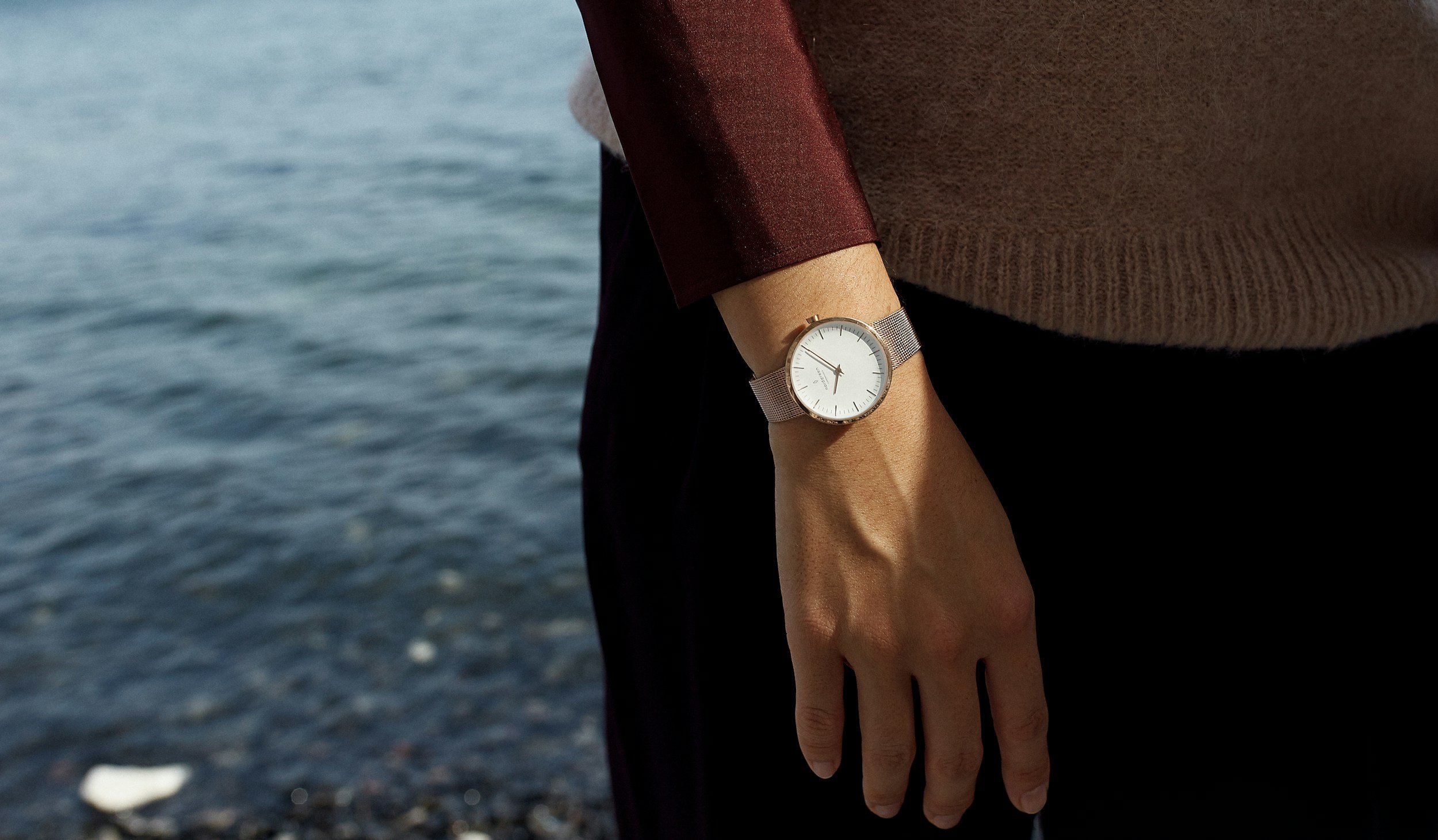
Guiding the financial side of body part modeling requires understanding the complex world of contracts and rates. When reviewing offers, pay close attention to contract terms like exclusivity, duration, and usage rights. Aim for 1-2 year agreements rather than longer commitments, especially when starting out.
For commission negotiation, remember that standard domestic rates hover around 20% - anything higher is a red flag. International markets may command 30-40%, with mother agencies taking an additional 10%.
Don't hesitate to negotiate flat rates for specific jobs, and clarify payment schedules (typically 30-90 days).
Balance your worth with market realities. If you're new, accept lower rates to build your portfolio, but as your hands, feet, or other features become recognized, you can command premium compensation for your unique assets.
Developing Long-Term Career Strategies
To build a sustainable career as a body part model, you'll need more than just beautiful hands or feet, you need an extensive strategy. Developing a long-term vision involves maintaining your assets while continuously expanding your network and opportunities.
Your career growth depends on consistent effort in three key areas:
Physical maintenance - protect your featured body parts through proper nutrition, exercise, and avoiding activities that might cause damage.
Portfolio expansion - regularly update your photos with new poses and looks to stay relevant.
Industry engagement - attend events, connect with professionals, and use social media strategically.
Remember that persistence is vital in this competitive field. When rejections happen, use them as learning opportunities rather than discouragement.
Keep exploring workshops and training to improve your skills while staying flexible about your career path.
How To Become A Body Part Model
As you start your body part modeling career, remember success comes from showcasing your unique features consistently. Take care of your assets, build strong industry connections, and stay persistent through rejections.
With the right portfolio, representation, and professional attitude, you'll find your niche in this specialized market. Stay patient, your hands, feet, or other distinctive features could soon be in high demand!