
How To Become A Print Model

Print modeling can be your ticket to seeing your face in magazines and ads, but it's not as simple as taking a few selfies. You'll need to understand what sets print apart from runway work, build a standout portfolio, and connect with the right agencies.
The industry looks for more than just good looks. Your professionalism, versatility, and personal brand matter too. Want to know exactly what steps to take to transform your modeling dreams into a paying career?
Key Takeaways
Print modeling welcomes diverse heights and body types, requiring a professional portfolio with 10-20 strong headshots and full-body images.
Develop essential skills through training in posing, taking direction, and building camera confidence for commercial work.
Research and submit to legitimate agencies specializing in commercial/print work that don't charge upfront fees.
Prepare unedited digital photos with accurate measurements for agency submissions and arrive early for open calls.
Build your personal brand through consistent social media presence and networking while highlighting your unique qualities.
Understanding Print Modeling vs. Runway Careers
When you're starting your modeling career, understanding the difference between print and runway work can help you choose the right path.
Print modeling differences include more flexibility in physical requirements, with opportunities for various heights and body types in commercial work. Talent modeling agencies specifically seek everyday people with diverse appearances and relatable looks. You'll pose for photos in catalogs, ads, and social media campaigns rather than walking down fashion runways. Print models often work in catalog modeling which emphasizes clear product presentation with less strict height requirements. Commercial print modeling requires developing unique selling points that help you stand out to clients seeking authentic individuals.
“Print modeling welcomes diverse body types, focusing on photographic work for catalogs and campaigns instead of runway appearances.”
Runway modeling focus is much stricter, requiring women to be at least 5'9" and men 6'0", with very slim builds. If you're tall and skinny, runway careers might suit you - walking for designer brands in live shows.
Print offers more consistent work and typically higher earnings, while runway builds prestige but has intense competition. Your natural look and body type will largely determine which path offers the most opportunities.
Print Modeling Physical Requirements

Physical attributes form the foundation of a successful print modeling career, though requirements vary across different niches. Your measurements will determine which markets you're most suited for, so understanding industry standards is vital.
Height specifications - Commercial print welcomes heights between 5'4" and 6'2", while high fashion has stricter requirements (women 5'8"-5'11", men 6'1"-6'5")
Body measurements - Female models typically need 32"-36" bust, 22"-26" waist, and 33"-35" hips
Skin quality - Clear, photogenic skin is fundamental for camera work
Physical fitness - Maintaining appropriate body composition (15%-17% body fat for women, 6%-7% body fat for men in fitness modeling) and stamina for long shoots is essential.
Implement a daily skincare routine to ensure your complexion remains flawless for photo shoots and casting calls. Consistent posing practice will help highlight your unique physical features and increase your confidence during professional photo shoots.
Creating Your Professional Portfolio
While having the right physical attributes opens doors, your portfolio is what convinces clients to hire you. A complete print modeling portfolio includes multiple formats: a physical 9×12 inch book with black sleeves, a digital version for online submissions, and a comp card with your key stats.
“Your look may get you in the door, but your portfolio is what books the job.”
For image types, include 2-3 professional headshots showing different angles, full-body shots in fitted clothing, lifestyle/commercial images that show your ability to sell products, beauty close-ups highlighting your features, and a few editorial images demonstrating versatility. Maintain consistent editing throughout your portfolio to create a professional and cohesive look. Choosing outfits in neutral colors will enhance your natural tones and create timeless appeal in your photos.
Always prioritize quality over quantity - 10-20 strong images will serve you better than dozens of mediocre ones. Organize your portfolio with the strongest images first to create a compelling narrative that immediately captures the attention of agencies.
Remember to update your portfolio regularly and customize it for specific castings to match what each client is looking for.
Finding the Right Agency Representation

Securing the right agency representation can make or break your print modeling career, so it's vital to approach this step strategically. Focus on agencies that specialize in commercial/print work rather than fashion/editorial if you're pursuing catalog or lifestyle jobs.
These agencies often have less strict height requirements and represent a wider age range.
When researching agencies, check their agency reputation by reviewing client lists, payment practices, and industry recognition. Legitimate agencies never charge upfront fees and typically take 10-20% commission.
Prepare your submission materials carefully and include clean commercial images, accurate measurements, and a simple resume of relevant experience. Always follow each agency's specific submission guidelines to avoid automatic rejection.
Having a mobile-friendly portfolio link ready can help agents review your work quickly and consider you for bookings. Consider whether you need a mother agent who can provide mentorship and help navigate the complexities of the modeling industry while connecting you with opportunities.
Before signing any contract, carefully review the terms to avoid agreeing to usage in perpetuity which could limit future opportunities. Make sure to thoroughly understand the image rights clauses as they control how and where your likeness can be used commercially.
Open Calls and Submissions
Once you've researched potential agencies, it's time to put yourself out there through open calls and submissions. Successful print model candidates understand that preparation and timing are everything when making first impressions.
Here are important open call strategies and submission tips:
Prepare clean, unedited digital photos showing front, profile, and full-body shots with minimal makeup and simple clothing.
Include your accurate measurements (height, bust/waist/hips, shoe size) and contact details on every submission.
Arrive 15-30 minutes early for open calls, bringing both digital files and printed portfolio options.
Follow submission guidelines exactly as agencies often reject candidates who don't respect their specific requirements.
Remember to maintain professional behavior throughout the process, as your conduct matters just as much as your look. Consider maintaining a public Instagram account with high-quality photos that authentically showcase your personal style and versatility. Developing a concise elevator pitch highlighting your unique qualities beyond appearance will help you stand out during face-to-face interactions with agencies.
Expected Salary and Market Trends

Understanding the financial landscape of print modeling can help you set realistic expectations as you enter the industry. In 2025, print models in California average $55,315 annually, while the broader model salary range spans from $11,000 to $401,500 per year.
Your earnings will largely depend on your experience level. As a newcomer with less than a year of experience, you'll likely earn around $15.26 hourly. As you build your portfolio and gain 1-4 years of experience, you can expect rates to rise to approximately $56.90 per hour.
Industry demand shows mixed signals, with employment projected to decline 1% over the next decade. However, salary fluctuations trend positively, with professional model compensation increasing 11.2% from 2024 to 2025, reaching $237,000 annually.
Breaking Into Commercial Print Advertising
Commercial print advertising offers a more accessible gateway into modeling than high fashion, with fewer rigid physical requirements. Success comes from understanding your unique qualities and the market's needs. Your smile, skin, and charisma can be more valuable than height or age requirements.
To break into this field effectively:
Study the market - Research brands that match your look and analyze their advertising strategies.
Build a targeted portfolio - Create a simple but diverse collection showing your versatility for commercial work.
Understand your market positioning - Know where you fit among "real people" models and highlight those strengths.
Develop crucial skills - Practice posing, taking direction, and building camera confidence.
Building Your Personal Brand and Network
While talent and appearance matter in print modeling, your personal brand and network often determine whether you'll thrive or merely survive in this competitive industry.
Start by defining your core values and unique strengths as a model, what makes you different from thousands of others?
“Stand out from the crowd by identifying your modeling superpower - the unique combination of values and strengths only you possess.”
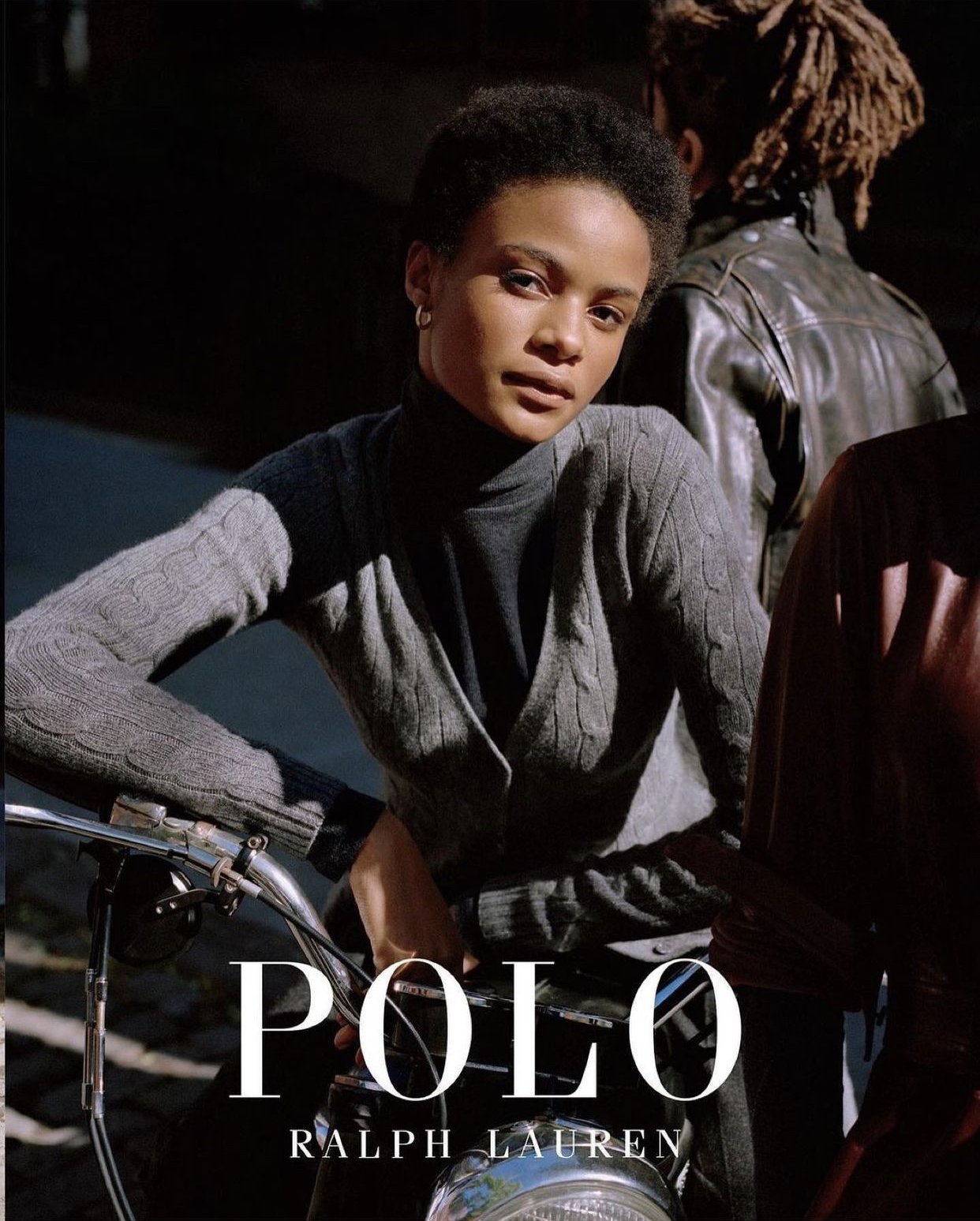
Establish a consistent visual identity with professional photos that highlight your versatility. Choose colors, fonts, and an aesthetic that reflect your modeling style. Your personal branding should speak to the clients you want to attract.
Develop networking strategies that include engaging on social media platforms at least three times weekly. Respond to comments, join industry conversations, and attend events where you can meet photographers, agents, and brand representatives.
Spend 15-20 minutes daily building these connections as they're often your gateway to booking jobs.
How To Become A Print Model
You're now ready to start your print modeling career! Remember to create a strong portfolio, train consistently, and find an agency that fits your look. Stay active on social media, network with industry pros, and keep learning about the business.
With dedication and the right approach, you'll increase your chances of booking those commercial jobs and building a successful print modeling career.