
How To Become A Stock Photography Model

You've probably seen those everyday people in ads, websites, and brochures who aren't famous but still make money from their photos. That's stock photography modeling, and it's more accessible than you might think. Unlike traditional modeling, stock work doesn't demand perfect features or runway height, it needs authentic, relatable faces that tell stories. With the right portfolio, connections, and understanding of legal requirements, you can turn your look into a flexible side income opportunity.
Key Takeaways
Start with a simple portfolio of 4-6 images showing different angles of your face and body.
Network with photographers through Instagram DMs and Facebook groups whose style matches your experience level.
Understand model release requirements and ensure proper documentation for each shooting day.
Practice versatile expressions, poses, and characters to appeal to a wide range of commercial needs.
Submit quality images to stock agencies following their specific guidelines and metadata requirements.
Understanding Stock Photo Modeling Requirements
When you're stepping into the world of stock photography modeling, understanding the legal requirements is essential before your first shoot.
Every recognizable appearance in a photo requires a signed model release, which grants permission to sell your image. Different model types and stock categories have specific rules you'll need to follow.
For each shooting day, you'll need a new release that matches the photo's date.
If you're doing self-portraits, you must sign as both the photographer and model.
Remember that even if only parts of your body are shown with identifiable features, a release is required.
For nudity shots, you'll need to provide a photo ID along with your release, regardless of whether your face is visible.
These release forms serve as crucial legal protection for photographers against potential lawsuits related to image usage.
Creating Your Versatile Modeling Portfolio

A versatile portfolio serves as your visual resume in the competitive world of stock photography modeling. Start with 4-6 clean images showing different angles of your face and body, then gradually expand to display image variety through diverse portfolio themes. Aim for 15-20 high-quality images are crucial for attracting potential clients and agencies, as they showcase your professional capabilities. Aim for 15-20 high-quality photos that highlight your range.
Mix headshots (direct eye contact, minimal makeup) with full-body shots in timeless outfits
Include both smiling and serious expressions to demonstrate emotional range
Capture movement through dynamic poses like walking, jumping, or sitting
Present lifestyle scenarios across different settings (studio and outdoor locations)
Consider using a neutral color palette for your portfolio design to avoid distracting from your photographs. Present your work on a clean, minimalist website with consistent design elements. Update regularly with fresh content that reflects your growth and appeals to a broad range of potential buyers. Organize your portfolio with strongest images first to make an immediate impact on casting directors and clients reviewing your work.
Finding and Collaborating With Stock Photographers
Finding photographers who specialize in stock imagery requires strategic networking and careful outreach. Instagram DMs and Facebook groups are your best starting points for making connections.
When using these networking strategies, target photographers whose portfolios match your experience level for mutual growth.
When reaching out, clearly explain what photo themes interest you, share inspirational images, and highlight how you'll both benefit. Create detailed mood boards before the shoot to guarantee everyone's on the same page about the final look.
During sessions, communicate openly about poses and ideas. Don't be shy about giving or receiving feedback. Consider implementing the rule of threes by bringing a supportive friend to ensure comfort and safety during the shoot.
After the shoot, send a thank-you note and respect the agreed delivery timeline. Remember to tag each other when posting images to expand both your networks.
Model Releases and Legal Considerations
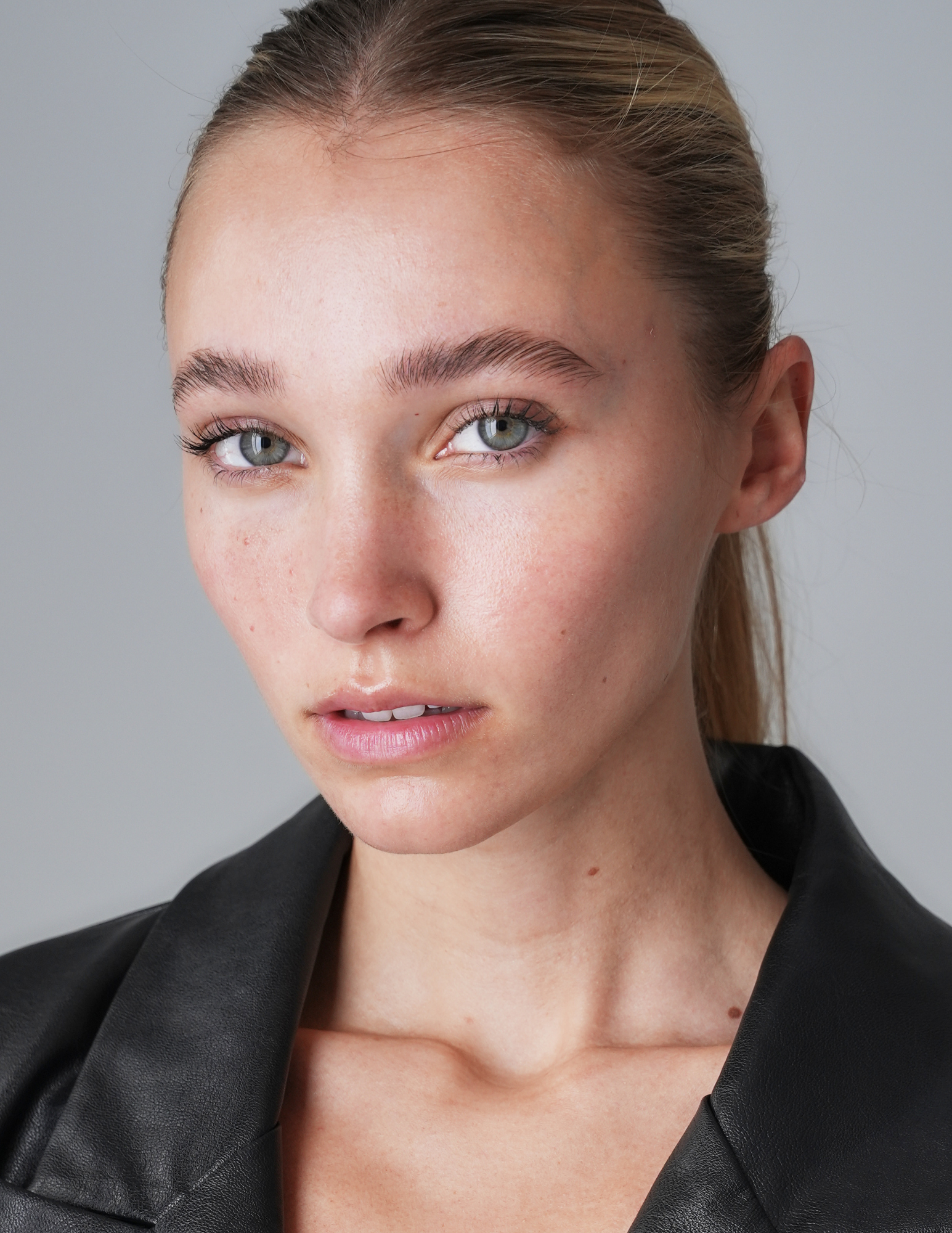
Understanding model releases represents the cornerstone of your legal protection in stock photography. Every time you're photographed for commercial use, you'll need to sign a release form that grants permission for your image to be sold and used in various media.
These legal obligations protect both you and the photographer from potential privacy issues down the road.
Each shoot requires a new model release, even with the same photographer
Your signature acknowledges you're aware your image may appear worldwide
For minors, a parent or guardian must sign according to local laws
Self-portraits still need releases when you're both photographer and model
Always read releases carefully before signing, and keep copies of all documentation for your records. Most agencies provide standardized forms you can download.
Submitting Your Work to Stock Agencies
Once your portfolio is polished and your releases are organized, submitting your work to stock agencies becomes your next crucial step toward earning income as a model.
“Properly submitting to agencies is the gateway that transforms your portfolio from a collection into a revenue stream.”
When preparing for submission, focus on image selection that highlights your versatility. Choose your strongest photos and avoid uploading similar poses or minor variations. Each agency has specific submission guidelines you'll need to follow carefully.
Before uploading, verify all images have proper metadata and required releases attached. You can submit to multiple non-exclusive agencies to maximize your exposure. Most platforms allow batch uploads of up to 30 images at once.
Remember that approval ratios matter – agencies might limit how much you can upload based on your previous acceptance rates. Don't forget to categorize your photos properly during submission to help them appear in the right searches.
Developing Skills for Stock Modeling Success
Unlike traditional modeling, success in stock photography requires a unique set of skills that go beyond just looking good in front of the camera.
You'll need to master emotional authenticity by practicing facial expressions that reach your eyes, making viewers believe the emotion you're portraying. Pose endurance is equally important as you'll often hold positions much longer than in fashion modeling.
Develop mental preparation techniques by practicing emotions in a mirror
Train your versatility to switch between different characters quickly
Build patience for holding poses without showing strain
Learn to take direction well, adapting immediately to photographer requests
Working on these skills will help you create marketable images that sell repeatedly while making you a photographer's favorite collaborator.
How To Become A Stock Photography Model
You're now ready to step into the exciting world of stock photography! By building a strong portfolio, connecting with photographers, understanding legal basics, and developing key modeling skills, you've laid the groundwork for success. Remember, patience and persistence pay off in this industry. Keep practicing your poses, expanding your network, and submitting quality work.