
How To Know What Type of Modeling Is Right for You

Knowing what type of modeling is right for you starts with understanding your look, goals, location, comfort level, and the kinds of opportunities available in your market. Some models are better suited for fashion, runway, or editorial work. Others may fit commercial, lifestyle, fitness, parts, petite, curve, or mature modeling.
You do not need to know your exact category before you begin, but you should understand the basic differences before contacting agencies or mother agents. The right path is not always the most glamorous one. It is the one that fits your strengths, helps you build real opportunities, and gives you a realistic place to start.
Key Takeaways
The best modeling category for you depends on your look, measurements, age, location, goals, and comfort level.
Fashion and runway modeling often have stricter expectations, while commercial, lifestyle, fitness, parts, petite, curve, and mature modeling may offer broader opportunities.
Your photos should match the type of modeling you want to pursue, but you do not need an expensive portfolio before getting started.
Repeated feedback from agencies, castings, or mother agents can help you understand where you may fit best.
A mother agent may help you identify your strongest modeling category and guide you toward agencies that fit your look and goals.
What Does It Mean To Find the Right Type of Modeling?
Finding the right type of modeling means figuring out where your look, age, measurements, personality, location, and goals fit best. It does not mean forcing yourself into the most popular or glamorous category. It means understanding where you may have the strongest chance to develop and get real opportunities.
For example, some models may fit fashion, runway, or editorial work. Others may be better suited for commercial, lifestyle, fitness, parts, petite, curve, or mature modeling. Each category looks for something different, and those expectations can vary by market, agency, and client.
The goal is not to label yourself too early. The goal is to start with the categories that make the most sense, build the right materials, and stay open to feedback as you learn where you fit.
Start With Your Look, Goals, and Comfort Level
Before you choose a modeling category, look honestly at your current photos, measurements, age, location, and goals. These details can help you understand which types of modeling may be realistic starting points.
Your comfort level matters too. Some models enjoy runway, editorial shoots, and high-visibility work. Others may prefer commercial, lifestyle, fit, parts, or local brand work. Neither path is better. They are simply different.
Ask yourself what kind of work you would feel comfortable doing, what kinds of photos represent you best, and whether you want modeling to be a side opportunity or a serious long-term goal. These answers can help you focus your energy instead of chasing every possible category at once.
Understand the Main Types of Modeling

The modeling industry includes many different categories, and each one looks for something different. Understanding the main options can help you avoid chasing a category that may not fit your look, goals, or market.
Fashion, runway, and editorial modeling are often more selective. Many fashion and runway agencies look for taller models, often around 5'9" and up for women and around 6'0" and up for men, although expectations can vary by agency, market, and client. These categories may also focus closely on proportions, measurements, movement, and overall look.
Commercial and lifestyle modeling are usually broader. These categories may include models of different heights, sizes, ages, and backgrounds because the goal is often to represent real customers, families, professionals, students, parents, or everyday consumers.
Fitness modeling often focuses on athletic appearance, strength, body condition, and confidence in movement. Parts modeling focuses on specific features, such as hands, feet, legs, hair, or eyes. Petite, curve, mature, catalog, promotional, and fit modeling can also offer opportunities depending on your measurements, location, and the kind of work available.
You do not need to choose only one path right away. The goal is to understand the main categories so you can start with the ones that seem most realistic for you.
How Height, Age, and Measurements Affect Modeling Fit
Height, age, and measurements can affect which types of modeling may be realistic for you, especially in fashion, runway, fit, and some agency markets.
Fashion and runway modeling often have stricter expectations. Many agencies look for taller models, often around 5'9" and up for women and around 6'0" and up for men. Some agencies may consider models outside those ranges, but height and proportions still matter in these categories.
Commercial, lifestyle, catalog, fitness, parts, petite, curve, and mature modeling usually have broader possibilities. These categories may be less focused on one exact height or size and more focused on whether your look fits a specific client, product, audience, or campaign.
Measurements can also matter. Fit modeling, for example, often depends on consistent measurements because brands use fit models to check how clothing fits before production. Fashion and runway agencies may also pay close attention to proportions and sample sizes.
The important thing is to understand where your measurements may help you, not where they disqualify you. A model who is not right for one category may still be a strong fit for another.
How Your Location Can Affect Your Modeling Options
Your location can affect which types of modeling are most available to you. Different markets have different kinds of clients, agencies, castings, and jobs.
Here is how location can shape your options:
Large fashion markets may offer more runway, editorial, fashion, and agency placement opportunities.
Commercial production cities may offer more lifestyle, catalog, fitness, print, e-commerce, and brand work.
Smaller regional markets may have fewer high-fashion opportunities but still offer commercial, promotional, local advertising, and event-based modeling work.
Your travel distance can affect how often you can realistically attend castings, test shoots, agency meetings, and bookings.
A modeling category may look exciting online, but it may not be practical if that kind of work is not active in your area. That does not mean you are stuck where you live. A mother agent may help you understand whether your local market is enough for now or whether you should eventually be submitted to agencies in larger markets.
Match Your Photos to the Type of Modeling You Want
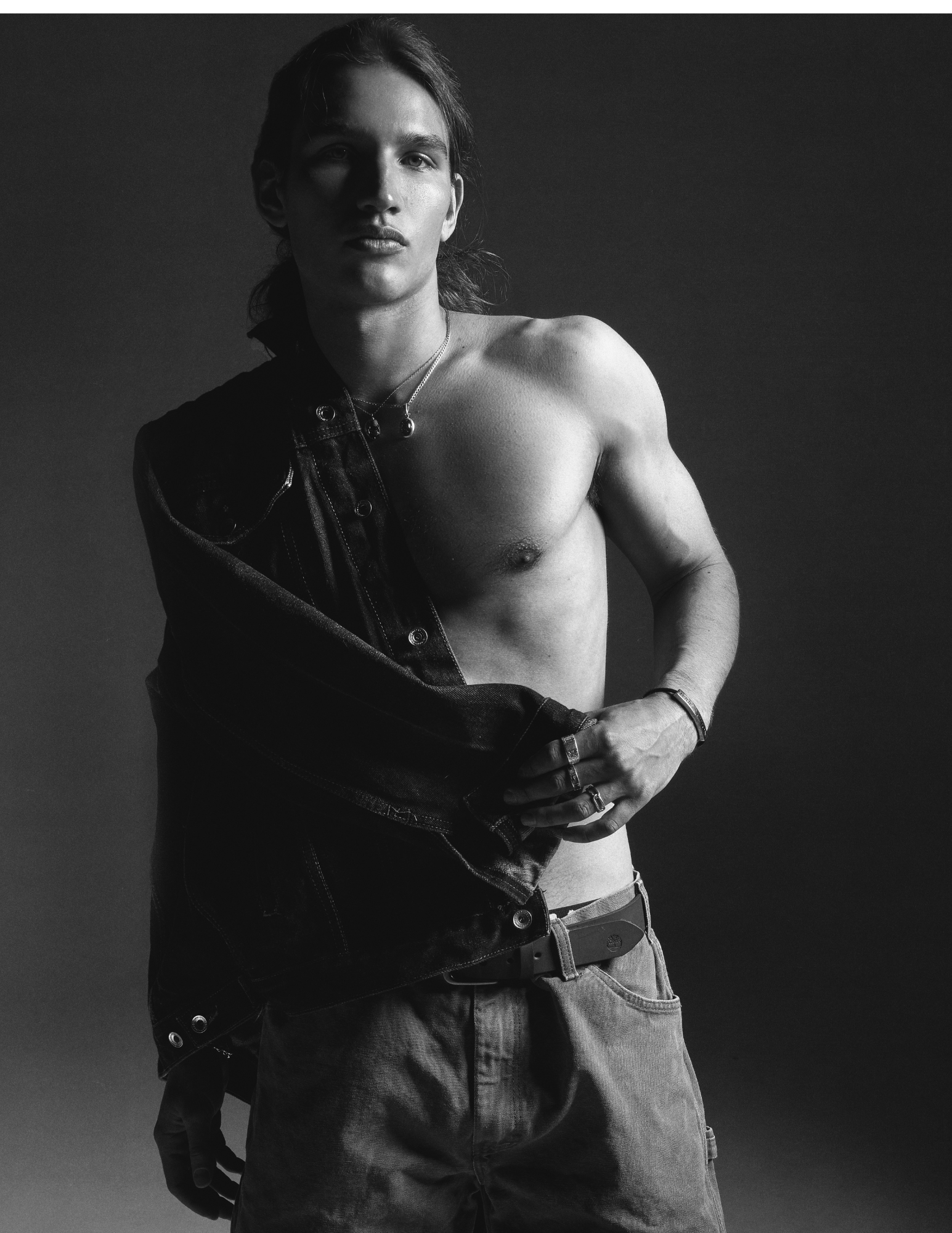
Your photos should help agencies or mother agents understand where you may fit. You do not need an expensive portfolio to get started, but your photos should clearly show your current look, body type, proportions, and range.
For fashion, runway, or editorial modeling, simple full-body photos can help show height, proportions, movement, and overall presence. For commercial or lifestyle modeling, natural headshots and relaxed images can help show expression, warmth, and personality.
Fitness, swimwear, and body-focused modeling may require clear full-body photos that show body condition and confidence. Parts modeling may require close-up photos of specific features, such as hands, feet, legs, hair, or eyes.
The goal is not to create a fake version of yourself. The goal is to give agencies or mother agents a clear, honest starting point so they can understand which categories may be realistic for you.
Signs You May Be Targeting the Wrong Modeling Category
Sometimes a model is not getting traction because they are aiming at the wrong category. That does not mean they have no potential. It may simply mean their look, photos, location, measurements, or experience fit a different part of the industry.
Here are signs you may need to adjust your direction:
You keep getting the same feedback about height, measurements, age, look, or portfolio direction.
Agencies redirect you toward a different division, such as commercial, lifestyle, curve, petite, fitness, or parts modeling.
Your strongest responses come from a different category than the one you are trying to pursue.
Your photos do not match the work you want, so agencies or clients cannot easily understand where you fit.
You are only targeting one category even though your look may work better in another market.
These signs are not failures. They are information. If you keep seeing the same pattern, it may be time to adjust your photos, research different categories, or ask a mother agent for guidance before continuing to submit.
How a Mother Agent Can Help You Find the Right Fit
A mother agent can help you understand which modeling categories may fit your look, measurements, goals, location, and stage of development. This can be especially helpful if you are new and unsure whether you should pursue fashion, commercial, lifestyle, fitness, curve, petite, parts, or another type of modeling.
Instead of guessing, a mother agent may review your digitals, measurements, social media, and early feedback to help you see where you may have the strongest opportunities. They may also help you improve your photos, prepare for submissions, and understand which agencies or markets make sense for you.
A good mother agent should not force you into a category just because it sounds impressive. They should help you understand your options, explain the reasoning behind their advice, and guide you toward opportunities that fit your actual strengths.
What To Do Before Contacting Agencies or Mother Agents

Before contacting agencies or mother agents, take time to prepare your basic materials. You do not need everything figured out, but you should be organized enough for someone to understand your current look and goals.
Here is a simple checklist:
Take clean digitals that show your face, full body, profile, and natural appearance.
Write down your current measurements, including height, bust or chest, waist, hips, shoe size, and clothing sizes.
Review the main types of modeling so you understand which categories may fit your look, age, location, and goals.
Clean up your social media so your profiles look professional, current, and easy to understand.
Make a short list of agencies or mother agents that seem relevant to your market and modeling category.
Prepare questions before signing anything about commissions, expenses, contracts, exclusivity, development, and next steps.
Being prepared does not mean pretending to be more experienced than you are. It means giving agencies or mother agents clear information so they can decide whether they may be able to help you.
FAQs
How Do I Know What Type of Modeling Is Right for Me?
Start by looking at your height, measurements, age, location, photos, comfort level, and goals. Then compare those details to the main modeling categories, such as fashion, commercial, lifestyle, fitness, curve, petite, parts, fit, and mature modeling.
Can I Be a Model If I’m Short?
Yes, but some categories may be more realistic than others. Fashion and runway modeling often favor taller models, while commercial, lifestyle, petite, parts, fitness, and local brand work may offer more flexibility.
Do I Need Professional Photos To Know My Modeling Type?
No. Clean digitals are usually enough to start. Agencies and mother agents need to see your current look clearly before deciding where you may fit.
Can a Mother Agent Help Me Choose a Modeling Category?
Yes. A mother agent may review your digitals, measurements, goals, and market potential to help you understand which modeling categories may fit you best.
Should I Try More Than One Type of Modeling?
Yes, especially when you are new. Many models explore more than one category before finding where they get the strongest response.
What If Agencies Keep Rejecting Me?
Repeated rejection does not always mean you should stop modeling. It may mean you need better photos, a different category, more development, or a better agency list.
Final Thoughts: Finding the Right Type of Modeling
Finding the right type of modeling is not about choosing the category that sounds the most exciting. It is about understanding where your look, measurements, location, goals, and comfort level may fit best.
Start by learning the main modeling categories, preparing clean digitals, and paying attention to the feedback you receive. If one path is not getting results, that does not always mean modeling is not for you. It may mean a different category, market, or agency path would make more sense.
When you are ready, use The Mother Agents directory to research mother agents, compare profiles, and find professionals who may be able to help you understand the right direction for your modeling career.