
Modeling Requirements by Type: Height, Age, Size, and Portfolio Needs

Modeling requirements vary by category, market, agency, and client. Fashion and runway modeling often have stricter expectations around height, proportions, and measurements, while commercial, lifestyle, fitness, parts, petite, curve, and mature modeling may offer broader possibilities.
If you are new to modeling, it can be easy to assume that every model needs to meet the same standards. That is not true. A model who is not right for runway may still be a strong fit for commercial work, parts modeling, fitness, petite, curve, mature modeling, or another category.
This guide explains common modeling requirements by type so you can understand where your height, age, size, photos, and goals may fit before contacting agencies or mother agents.
Key Takeaways
Modeling requirements are different for every category, and they can vary by agency, market, client, and division.
Fashion and runway modeling often have stricter expectations around height, proportions, measurements, and sample sizes.
Commercial, lifestyle, fitness, parts, petite, curve, and mature modeling may offer broader opportunities for different heights, ages, sizes, and looks.
Beginners usually need clean, current digitals before they need an expensive professional portfolio.
A mother agent may help you understand which modeling category fits your look, measurements, goals, and stage of development.
Do All Types of Modeling Have the Same Requirements?
No, all types of modeling do not have the same requirements. Each category has its own purpose, and that means agencies and clients may look for different things.
Fashion and runway modeling often have stricter expectations around height, proportions, measurements, and sample sizes. Commercial, lifestyle, catalog, fitness, parts, petite, curve, and mature modeling may be more flexible because the goal is different.
For example, a runway client may need a model who fits a specific sample size. A commercial client may need someone who looks like a real customer, parent, student, athlete, or professional. A parts client may only care about the appearance of your hands, feet, legs, hair, or smile.
This is why not fitting one category does not mean modeling is not for you. It may simply mean you are better suited for a different type of modeling.
Fashion and Runway Modeling Requirements
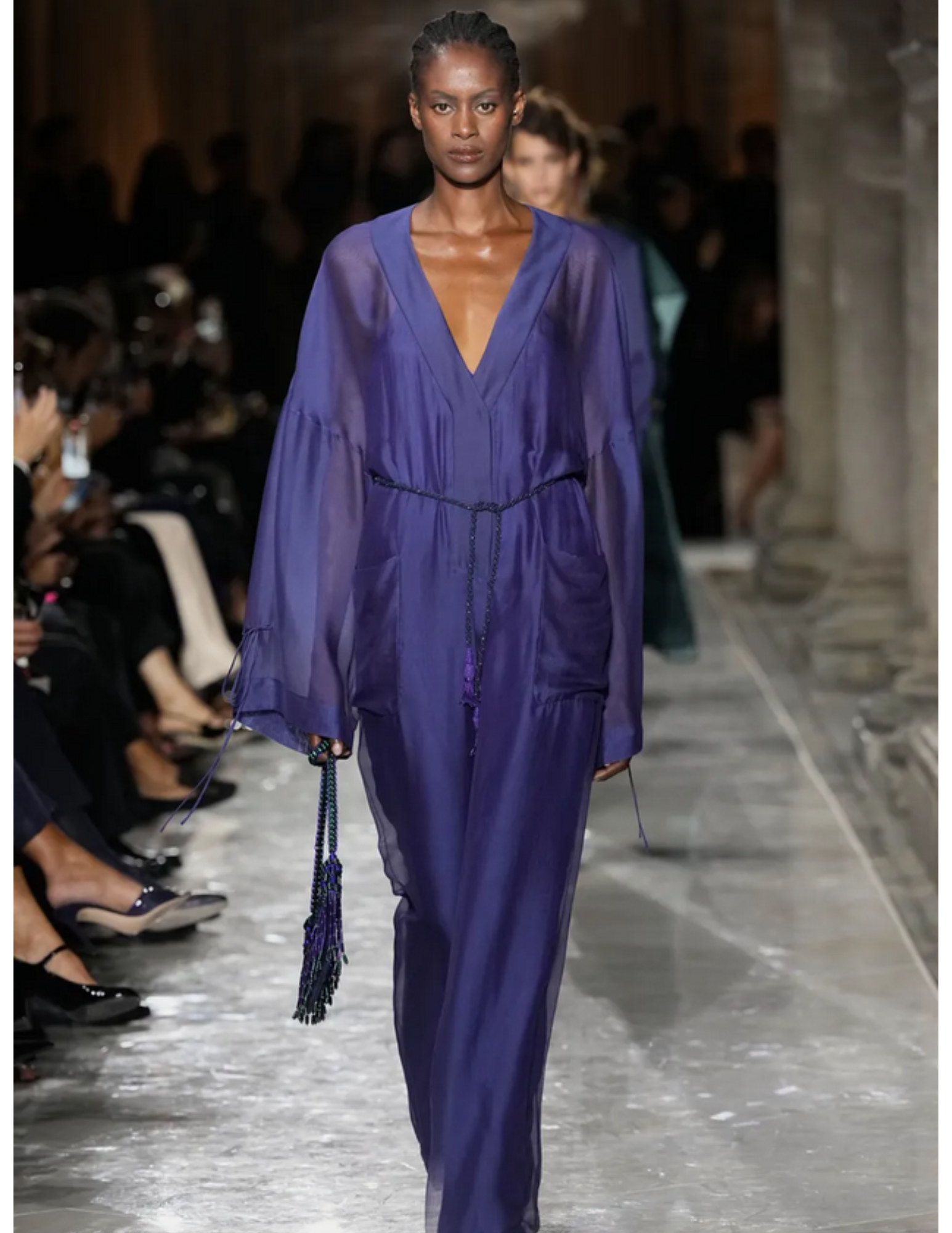
Fashion and runway modeling often have some of the strictest requirements in the modeling industry. Many agencies look for taller models with balanced proportions because runway samples are usually made in limited sizes.
For women, many fashion and runway agencies often look for models around 5'9" and up. For men, many agencies often look for models around 6'0" and up. Some agencies may consider models outside those ranges, but height, proportions, movement, and overall look still matter in these categories.
Measurements can also matter because designers may need models who fit sample clothing. This does not mean every model has to match one exact size, but fashion and runway work often leaves less flexibility than commercial or lifestyle modeling.
Here are a few things agencies may look for:
Height and proportions because clothing needs to fit and move well on the runway.
Strong movement because runway models need to walk with confidence and take direction quickly.
A distinctive look because fashion and editorial clients often want models who stand out.
If you do not fit fashion or runway requirements, that does not mean you cannot model. It may simply mean commercial, lifestyle, petite, curve, fitness, parts, or another category could be a better fit.
Commercial and Lifestyle Modeling Requirements
Commercial and lifestyle modeling usually has more flexible requirements than fashion or runway modeling. These categories often need models who look like real customers, families, students, professionals, athletes, parents, or everyday people.
Height and size expectations can vary a lot. Some commercial agencies may work with women around 5'4" to 5'11" and men around 5'8" to 6'1", but many clients are more focused on the right look, expression, personality, and market fit than one exact measurement range.
Commercial clients often want models who feel natural, relatable, and comfortable on camera. A warm smile, clear expression, and easy movement can matter just as much as height or body type.
Lifestyle modeling can include family shoots, health and wellness campaigns, local ads, website images, education campaigns, travel content, and product photography. Because the work is so varied, commercial and lifestyle modeling may be a good option for models who do not fit traditional runway standards.
If fashion or runway requirements do not fit you, commercial or lifestyle modeling may still give you real opportunities.
Petite Modeling Requirements
Petite modeling is usually for models who are shorter than traditional fashion or runway standards. For women, this often means under 5'7". For men, it may mean under 5'9", although exact expectations can vary by agency, market, and client.
Petite models may work in commercial, lifestyle, catalog, e-commerce, beauty, fit, and local brand campaigns. Some petite models may also work in fashion or editorial, especially if they have a strong look, good proportions, and the right market fit.
Here are a few things that can matter in petite modeling:
Proportions because clothing, posing, and camera angles can affect how height appears in photos.
Clear digitals because agencies need to see your true height, shape, and current look.
The right market because petite opportunities may be stronger in commercial, catalog, and lifestyle work than traditional runway.
Being shorter does not mean you cannot model. It usually means you need to focus on the categories and clients that are more open to your height.
Curve and Plus-Size Modeling Requirements
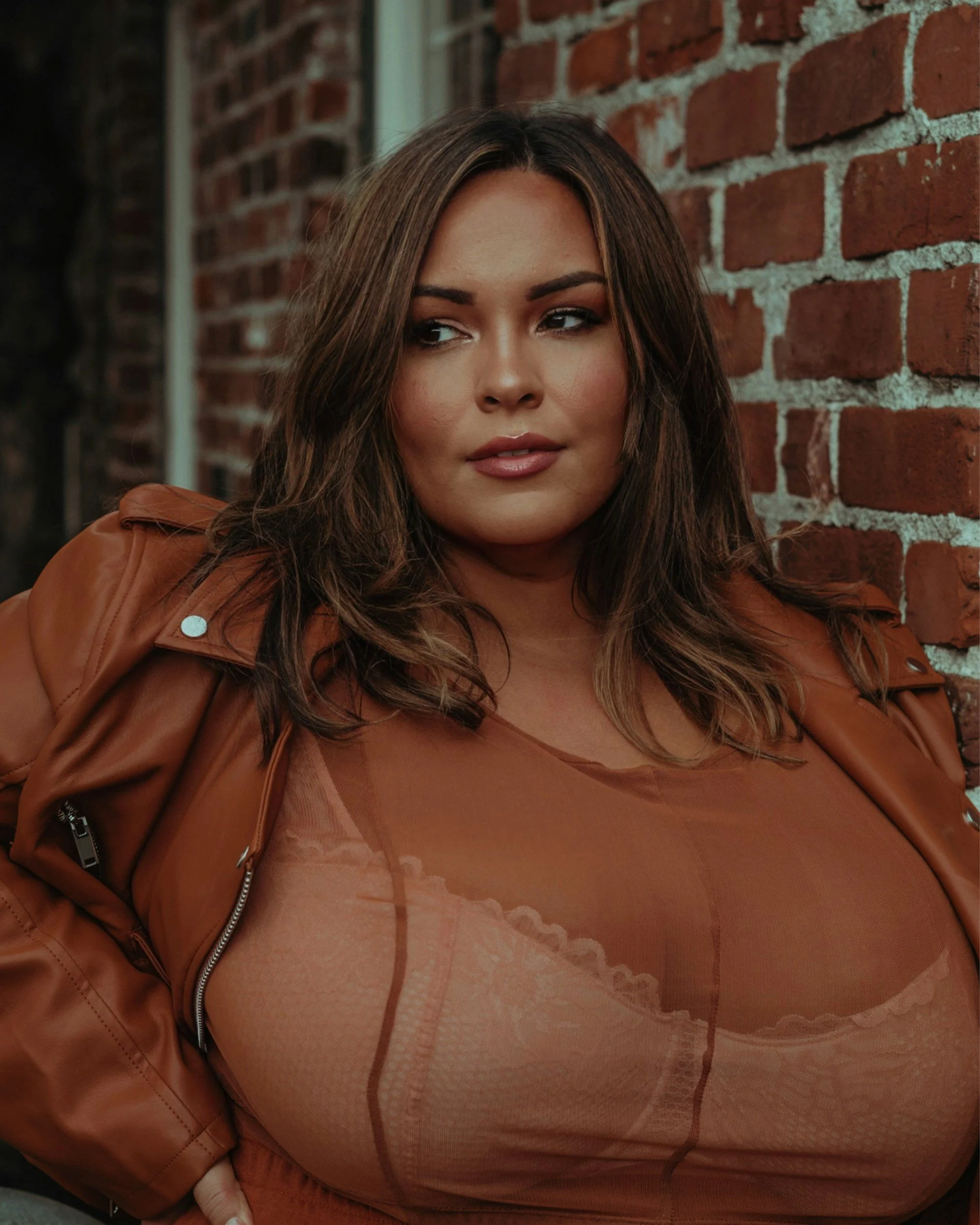
Curve and plus-size modeling is for models whose size, shape, and proportions fit brands looking for fuller-body representation. This category can include fashion, commercial, catalog, lifestyle, e-commerce, beauty, and swimwear work.
For women, many curve and plus-size agencies often look for models around size 12 and up, although some clients may book smaller or larger sizes depending on the campaign. Height expectations can also vary. Fashion-focused curve divisions may prefer taller models, while commercial and lifestyle clients may be more flexible.
For men, big-and-tall modeling may include models with larger builds, broader frames, or extended clothing sizes. Some clients may prefer taller men, but exact expectations depend on the brand, product, and market.
Confidence, movement, and comfort on camera matter in this category. Agencies and clients want models who can show clothing clearly, move naturally, and represent the customer the brand is trying to reach.
Clean digitals are important because agencies need to see your current size, proportions, and natural shape. Your photos should be honest, current, and simple enough for someone to understand where you may fit.
Fitness Modeling Requirements
Fitness modeling focuses on an athletic, healthy, and active appearance. This does not mean every fitness model needs to look like a bodybuilder. Different clients may look for different types of fitness models, including runners, dancers, yogis, trainers, athletes, wellness models, or everyday active people.
Body condition matters in this category, but so does movement. Fitness models often need to show strength, flexibility, energy, and comfort doing active poses. Clients may also look for models who can make fitness, wellness, or athletic products feel natural and believable.
Here are a few things that can matter in fitness modeling:
Athletic appearance because clients usually want models who look healthy, active, and physically capable.
Comfort with movement because fitness shoots often involve stretching, running, lifting, posing, or action-based scenes.
Clear full-body photos because agencies and clients need to see your current shape, proportions, and body condition.
Requirements can vary by client, market, and brand. Some fitness jobs may focus on a highly trained athlete, while others may need someone who looks relatable, healthy, and active.
Parts Modeling Requirements
Parts modeling focuses on one specific feature instead of your full look. This can include hands, feet, legs, hair, lips, eyes, teeth, ears, or another feature a client wants to highlight.
In this category, agencies and clients usually care most about the condition, shape, and appearance of the feature being photographed. For hand modeling, that may mean smooth skin, clean nails, even proportions, and no major marks that distract from the product. For foot modeling, it may mean clean skin, healthy nails, and good overall shape. For hair modeling, it may mean healthy texture, shine, length, or color.
Here are a few things that can matter in parts modeling:
Feature condition because close-up photos show every detail.
Consistency because clients may need the feature to look the same from booking to booking.
Clear close-up photos because agencies need to see the feature without heavy editing, filters, or distracting styling.
Parts modeling can be a good option for people who may not fit full-body fashion or runway standards but have one feature that photographs especially well.
Male Model Requirements
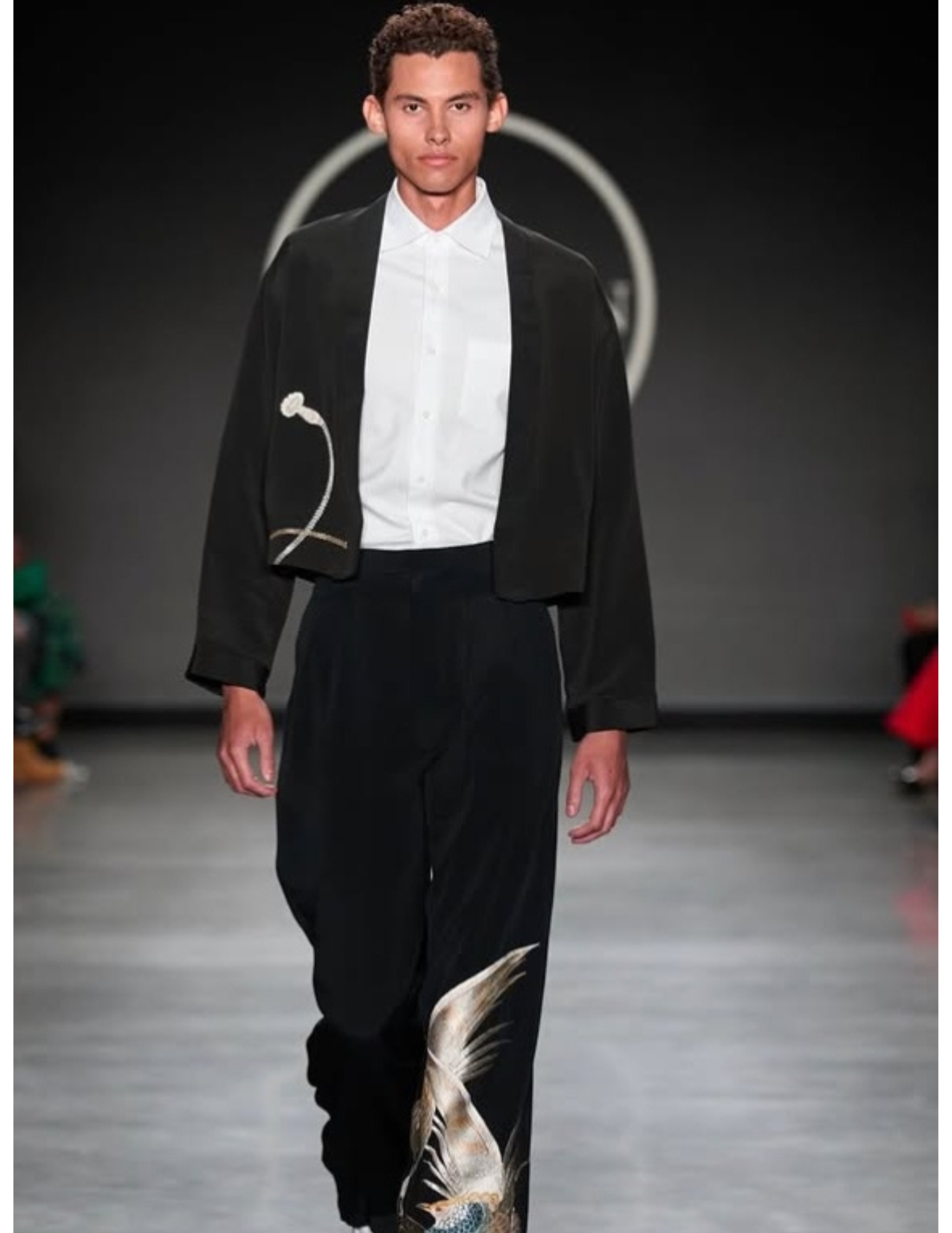
Male modeling includes many different categories, so the requirements can change depending on the type of work. Fashion and runway modeling often look for taller men, often around 6'0" and up, with balanced proportions and a strong overall look. Commercial, lifestyle, fitness, catalog, parts, and mature modeling may offer more flexibility.
For male models, agencies and clients may look at height, measurements, body type, grooming, confidence, movement, and how well your look fits the market. Some jobs may need a polished fashion look, while others may need someone who feels relatable, athletic, professional, or approachable.
Here are a few things that can matter for male models:
Current measurements because agencies need to know your height, chest, waist, inseam, suit size, and shoe size.
Clean digitals because agencies need to see your face, full body, profile, proportions, and current look clearly.
Professionalism because showing up prepared, following directions, and communicating clearly can make a strong impression.
Not every male model needs to fit runway standards. The right category depends on your look, market, photos, and the type of work agencies or clients are booking.
Child and Teen Modeling Requirements
Child and teen modeling has different requirements than adult modeling. Agencies and clients may look for natural expression, comfort in front of the camera, personality, and the ability to follow simple directions.
For minors, parent or guardian involvement is very important. Reputable agencies usually expect a parent or guardian to be part of communication, submissions, meetings, contracts, and safety decisions. Depending on the location and type of work, there may also be rules around work permits, hours on set, school requirements, and supervision.
Height and measurements may matter for some teen fashion or runway opportunities, but child and teen modeling is often broader than adult fashion modeling. Commercial, catalog, lifestyle, school, toy, clothing, family, and advertising work may focus more on age, personality, energy, and natural presence.
Parents should be careful before signing anything or paying for photos, classes, or representation. A legitimate opportunity should be clear about expectations, costs, safety, usage rights, and who will be present during any shoot or casting.
Mature Modeling Requirements
Mature modeling is for adults who represent older age groups in commercial, lifestyle, healthcare, travel, financial, beauty, fashion, and family-focused campaigns. Some mature models may be in their 40s, 50s, 60s, or older, depending on the client and market.
This category is usually less focused on runway-style measurements and more focused on natural presence, confidence, expression, and whether the model fits the audience a brand wants to reach.
Here are a few things that can matter in mature modeling:
Natural expression because clients often want models who feel real, warm, and believable.
Professionalism because mature models may be booked for healthcare, finance, lifestyle, travel, and family campaigns where trust matters.
Current digitals because agencies need to see your real look, age range, body type, and overall presentation.
You do not need to look younger than you are. In mature modeling, your actual age, confidence, and presence can be part of what makes you right for the job.
Modeling Portfolio and Digitals Requirements
Before you spend money on a professional photo shoot, understand that most beginner models do not need a finished portfolio right away. Agencies and mother agents usually want to see clean digitals first.
Digitals are simple photos that show your current look clearly. They should usually include a clear headshot, full-body photo, profile photo, and natural photos that show your face, body type, proportions, and overall appearance without heavy editing.
Keep your digitals simple. Use natural lighting, wear fitted clothing, pull your hair back if needed, and avoid heavy makeup, filters, dramatic posing, or distracting backgrounds. The goal is not to create a perfect image. The goal is to show what you actually look like right now.
A professional portfolio may become useful later, especially once you know which modeling category fits you best. But in the beginning, honest digitals are usually more helpful than expensive photos that do not match your real look or target category.
What Do Modeling Agencies Look For in New Models?

Modeling agencies look at more than height, age, and measurements. They want to understand whether your look fits the type of work they book and whether you seem prepared enough to represent.
Your digitals are usually the first thing they review. Agencies need to see your face, full body, profile, proportions, and current appearance clearly. Simple, honest photos are often more helpful than heavily edited images.
Agencies may also look at your professionalism. This includes how you communicate, whether you follow directions, how quickly you respond, and whether your social media supports the image you are presenting.
Market fit matters too. One agency may pass because your look does not fit their current roster or client needs, while another agency may see a stronger opportunity. That is why rejection from one agency does not always mean you are not model material.
Here are a few things agencies may consider:
Your current look and whether it fits the type of work they book.
Your measurements and proportions for categories where sizing matters.
Your digitals and online presence because these help agencies understand how you present yourself.
Your professionalism because models need to communicate clearly, show up prepared, and take direction.
How a Mother Agent Can Help You Understand Where You Fit
A mother agent can help you understand which modeling categories may fit your look, measurements, goals, location, and stage of development. This can be helpful if you are new, unsure where to start, or getting mixed feedback from agencies.
Instead of guessing, a mother agent may review your digitals, measurements, social media, and early responses from agencies or castings. They may help you see whether you are better suited for fashion, commercial, lifestyle, fitness, curve, petite, parts, mature, or another category.
A mother agent may also help you improve your photos, prepare stronger submissions, and understand which agencies or markets make the most sense for you. The goal is not to force you into one category. The goal is to help you make a more informed decision before spending money, signing a contract, or submitting everywhere at once.
Modeling Requirements Are Different for Every Path
Modeling requirements are not the same for every model. Fashion and runway may have stricter expectations around height, measurements, and sample sizes, while commercial, lifestyle, fitness, parts, petite, curve, mature, and other categories may offer more flexibility.
If you do not fit one category, that does not mean modeling is not for you. It may mean you need to look at a different type of modeling, prepare better digitals, or find agencies that are a better fit for your look and goals.
Start by understanding the main requirements, being honest about your current measurements and photos, and paying attention to the feedback you receive. When you are ready, use The Mother Agents directory to research mother agents who may be able to help you understand where you fit and what steps to take next.
Modeling Requirements FAQs
How tall do you have to be to model?
It depends on the type of modeling. Fashion and runway modeling often look for taller models, while commercial, lifestyle, petite, fitness, parts, curve, and mature modeling may have more flexibility.
Can you be a model if you are short?
Yes. Some categories are more open to shorter models than others. Petite, commercial, lifestyle, parts, fitness, beauty, and local brand modeling may offer opportunities even if you do not meet runway height expectations.
Do you need to be a certain size to model?
Not every type of modeling has the same size requirements. Fashion and runway work may focus more on sample sizes, while commercial, curve, plus-size, fitness, mature, and lifestyle modeling may include a wider range of body types.
How old do you have to be to start modeling?
Age requirements depend on the category, agency, client, and location. Child and teen modeling usually requires parent or guardian involvement, while adult modeling categories can include young adults, mature models, and older adults.
Do you need professional photos to become a model?
No. Most beginners should start with clean digitals instead of an expensive professional portfolio. Agencies and mother agents usually want simple, current photos that show your real face, full body, profile, and proportions.
What do modeling agencies look for in new models?
Agencies may look at your height, measurements, photos, market fit, professionalism, communication, and overall look. They are also considering whether you fit the type of work they actually book.
Can a mother agent help me understand where I fit?
Yes. A mother agent may help you understand which modeling categories fit your look, measurements, goals, location, and stage of development. They may also help you prepare better submissions and choose agencies that make sense for your category.